
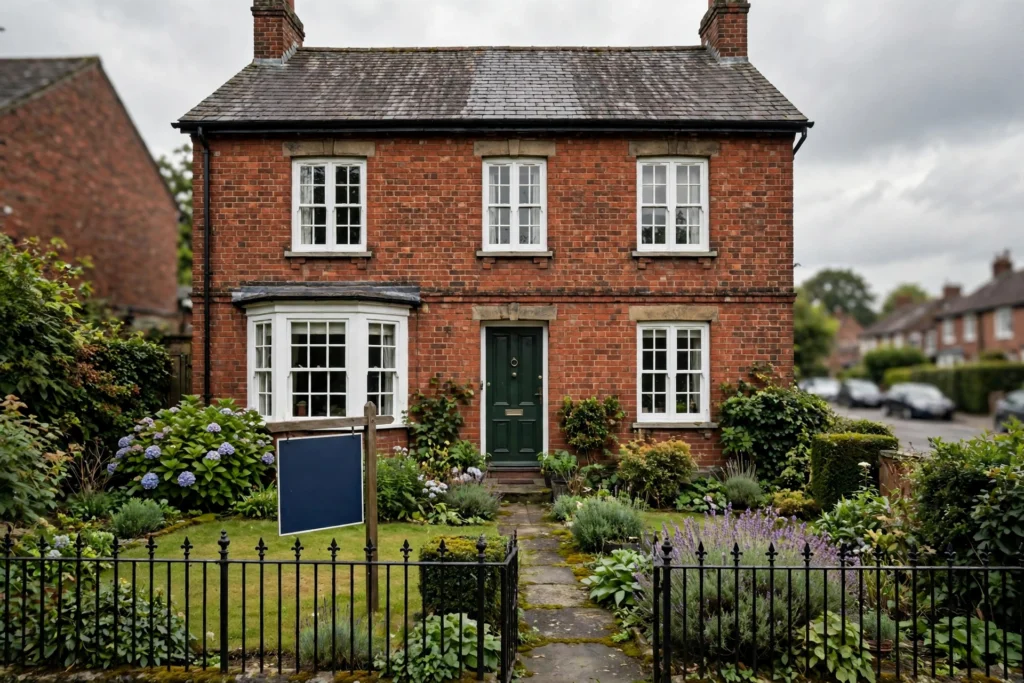
Selling an inherited property is rarely just a property transaction. It usually arrives alongside grief, family logistics and a house full of someone else’s life — and it has a legal sequence that cannot be skipped, however keen a buyer may be. The good news is that the process, while slower than a normal sale, is well-trodden and manageable when you take it in the right order.
This step-by-step guide explains how to sell an inherited property in the UK: the probate stage that must come first, how the property is valued and taxed, how to prepare it for sale, and the different ways to sell — with the decisions that matter at each stage.
Step 1: Get the Legal Right to Sell — Probate
Before anything can be sold, the estate must be administered. If you are the executor named in the will, you apply for a grant of probate; if there is no will, a close relative applies for letters of administration under the intestacy rules. This legal document is what proves you have the authority to deal with the property. You can market the house and even accept an offer before the grant arrives — many families do, to save time — but the sale cannot legally complete until it is issued, so tell the agent and your solicitor exactly where the application stands. Probate timelines vary; several months is common, and a good solicitor will keep it moving.
Step 2: Value the Property — For the Authorities and for Yourself
An inherited property needs two kinds of valuation. The first is the official one: the estate’s value at the date of death must be reported to HMRC for inheritance tax purposes, and it also sets the property’s base value for capital gains tax when you later sell. Get this right — many executors use a professional RICS valuation, because HMRC can challenge estimates, and an under-estimate corrected later can mean interest and penalties. The second valuation is the market one: what the house will sell for now, which may differ from the probate value if time has passed or the market has moved. If you sell for more than the probate value, the gain may be taxable (Step 3); if you sell for less within four years, the estate may be able to reclaim some inheritance tax — another reason the paperwork matters.

Step 3: Understand the Tax Position
Two taxes hover over an inherited property sale. Inheritance tax is charged on the estate (not usually on individual beneficiaries) above the available allowances — the standard nil-rate band is £325,000, with an additional residence nil-rate band of up to £175,000 when a home passes to direct descendants, and allowances can transfer between spouses. Many estates pay nothing; those that do settle it from the estate before distribution. Capital gains tax can apply to your gain if the property rises in value between the date of death and the sale — you are taxed on the increase, not the whole price, and each beneficiary has an annual CGT allowance to set against it. If you are selling a UK residential property with a CGT bill, the gain usually must be reported and paid within 60 days of completion. This is general information, not advice — estates with any complexity deserve a solicitor or accountant, and their fees are a legitimate estate expense.
Step 4: Secure, Clear and Prepare the House
An empty inherited house needs attention quickly: tell the insurer immediately (many policies restrict cover after 30–60 days unoccupied, and specialist unoccupied cover exists), keep some heating on in winter, redirect post, and secure the property properly. Then comes the emotional and practical work of clearing. Work room by room; keep documents, photographs and valuables safe before anything is donated, sold or skipped — house clearance firms can handle the rest, and the cost comes from the estate. For the sale itself, inherited homes are often dated, and the choice is usually between selling as-is (fast, and honest about condition — often to investors or buyers who enjoy a project) and light preparation: a deep clean, tidied garden, working lights, and neutral presentation. Major renovation before sale rarely pays for itself in these sales; clean, bright and honestly priced beats half-renovated at a hopeful price.
Step 5: Choose How to Sell
The standard route — a local estate agent and the open market — suits most inherited properties and usually achieves the best price, especially for family homes in popular areas. Auction suits properties that are unusual, in poor condition, or where the beneficiaries want speed and certainty above maximum price. A direct sale to an investor or cash-buying company is fastest of all but typically at a noticeable discount — treat headline offers with caution and compare against at least two agent valuations. Whatever the route, all executors and beneficiaries should agree it in writing; most family friction in inherited sales comes from unspoken disagreement, not from the market.
The Bottom Line
Sell an inherited property in this order: probate first, honest valuations, tax understood, house secured and cleared, then a sale route everyone agrees on. Take professional help for the legal and tax steps — it is the estate’s money, well spent — and give the process the time it actually takes. A calm, well-documented sale is the last practical kindness an estate can be given.
Frequently Asked Questions
Can I sell an inherited property before probate is granted?
You can market the property and accept an offer, but the sale cannot legally complete until the grant of probate (or letters of administration) has been issued. Be upfront with buyers about the timescale.
Do I pay tax when I sell an inherited house?
Inheritance tax, if due, is paid by the estate on its total value above the allowances. You may personally owe capital gains tax if the property increased in value between the date of death and the sale, after your annual CGT allowance.
How long does it take to sell an inherited property?
Probate commonly takes several months, and then the sale itself runs on normal timescales. Six to twelve months from death to completed sale is a realistic planning figure for a straightforward estate.
Should I renovate an inherited property before selling it?
Usually only light preparation pays: cleaning, clearing, garden tidying and small repairs. Major renovations rarely return their cost in an inherited sale and delay everything; most buyers of such homes expect to do their own work.


