

Learning how to choose a sofa sounds like a style question, but anyone who has lived with a mistake knows it is really an engineering one. The wrong sofa is too big for the room, too deep to sit on upright, too pale for the dog, or — the classic disaster — too wide for the hallway it must travel through on delivery day. A sofa is also the largest and longest-lived purchase in the living room, so the cost of getting it wrong is measured in years, not weeks.
This practical guide works through the decision in the right order: measure the space (including the route in), test comfort with real numbers, judge the build quality you cannot see, and only then choose style and fabric for the life you actually live.
Step 1: Measure the Room — Then Measure the Route In
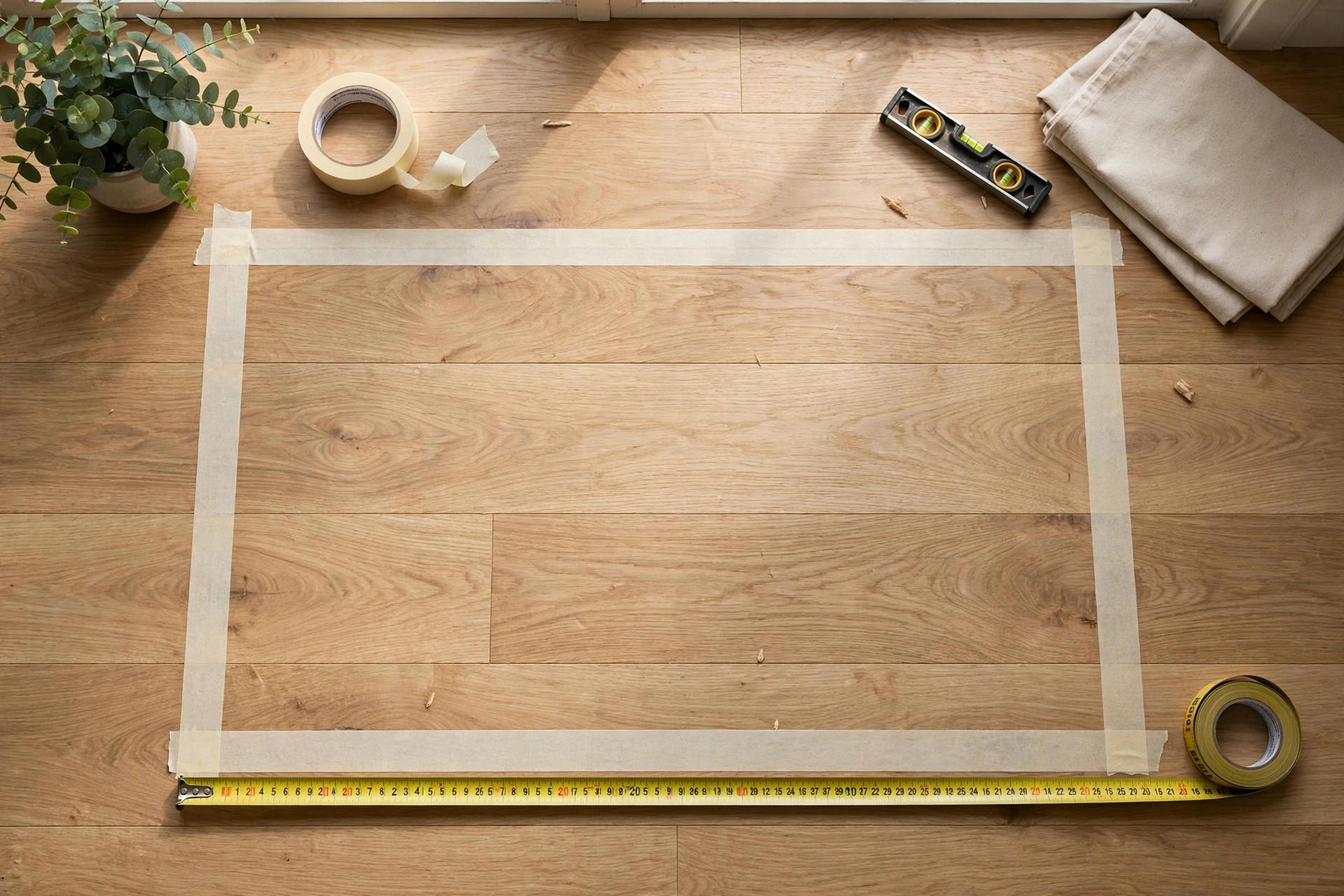
Start with the room. A sofa should occupy its wall or zone without crowding it: leave walking space of roughly 75–90cm around the seating area, do not block radiators, doors or the route through the room, and scale the sofa to the room rather than to your hopes — in a small living room, one well-sized two-seater plus an armchair beats a sprawling three-seater that eats the floor. Mark the candidate sofa’s footprint on the floor with masking tape, including its depth, and live with the outline for a day; feet and eyes adjust, and you will quickly feel if it is too much furniture.
Then measure the delivery route with the seriousness it deserves: front door width and height, hallway width, any turn on the stairs, internal doorways, and the lift if you are in a flat. Compare those numbers with the sofa’s packed and unpacked dimensions — many sofas come with removable legs or arms, and sofas designed for tight access exist precisely because the standard one did not fit. Retailers reject returns that ‘do not fit’ at full refund less often than brochures imply; the tape measure is cheaper than the argument.
Comfort: The Measurements Your Body Cares About
In the showroom, sit on the sofa the way you actually live: upright with a book, sideways with legs up, lying down if that is your Sunday plan. The numbers behind comfort are seat depth (around 55–60cm suits most people sitting upright; deeper seats are for loungers and need cushions behind shorter legs), seat height (roughly 45–50cm lets most adults stand up without effort — important for older guests and bad knees), and back height and angle. Cushion fillings feel different and age differently: foam is supportive and keeps its shape, feather is softer and needs daily plumping, and foam-wrapped feather splits the difference — for most households, the sensible sweet spot. If two people will share it daily, both bodies need to test it; showroom decisions made by one half of a couple get relitigated at home.
Quality: Frame, Springs and What to Ask
The parts you cannot see decide whether the sofa is a ten-year piece or a three-year regret. Ask (good retailers answer happily): is the frame hardwood or a softwood/particleboard mix? Hardwood, glued and screwed or dowelled, is the durable standard. What is the suspension — serpentine springs, webbing, or pocket springs — and is it guaranteed? What is the frame guarantee overall (ten years or more signals confidence)? Check the tailoring in the shop: patterns should match across cushions, seams should be straight, and cushions should fit snugly without gaps. Lift one corner of the sofa: if the opposite corner does not lift with it, the frame is flexing — walk away. Removable, washable covers or at least zipped cushion covers will matter more in year three than any feature on the ticket.
Fabric: Choose for Your Real Life
Now the enjoyable part — constrained by honesty about your household. Family-and-pet realism: tightly woven fabrics hide wear and claws best; look for high rub counts (25,000+ for busy homes), stain-resistant or washable finishes, and mid-tone colours or gentle patterns that disguise the evidence between cleans. Leather and good faux leather wipe clean and age gracefully but show scratches and can feel cold in winter, hot in summer. Velvet looks luxurious and modern versions in polyester are tougher than their reputation, though they mark with pile crush. Pale linen in a house with toddlers and red wine is not a fabric choice, it is a lifestyle commitment. Always order swatches and test them at home: in your light, against your walls and curtains, and — the real test — with the actual substances your household produces.
The Bottom Line
Choose a sofa in order: measure the room and the delivery route until both are boring certainties; test comfort with real seat dimensions and both sitters present; interrogate the frame, springs and guarantee; then pick a fabric your real life can survive. Style is the last decision, not the first — get the engineering right and almost any look you love will still be serving you, comfortably, a decade from now.
Frequently Asked Questions
What size sofa should I buy for a small living room?
A compact two-seater (roughly 150–180cm wide) with slim arms and legs that lift it off the floor usually works best — raised legs let light flow underneath and make the room feel bigger. Tape the footprint on the floor first and live with it for a day.
How do I check if a sofa will fit through my door?
Measure every pinch point on the route — door widths and heights, hallway turns, stair corners — and compare them with the sofa’s smallest dimension (often its height with legs removed, or its depth). Many sofas are designed to tilt through a standard 78–80cm doorway; ask the retailer for the minimum access width before ordering.
Foam or feather cushions — which is better?
Foam keeps its shape and needs little maintenance but can feel firm; feather is softer but needs daily plumping and flattens over time. Foam-core cushions with a feather wrap give supportive shape with a soft sit, and suit most households best.
What rub count should sofa fabric have?
At least 15,000–20,000 for general domestic use, and 25,000 or more for busy family homes and pets. The rub count (Martindale score) is usually on the fabric details — higher genuinely means harder-wearing.


