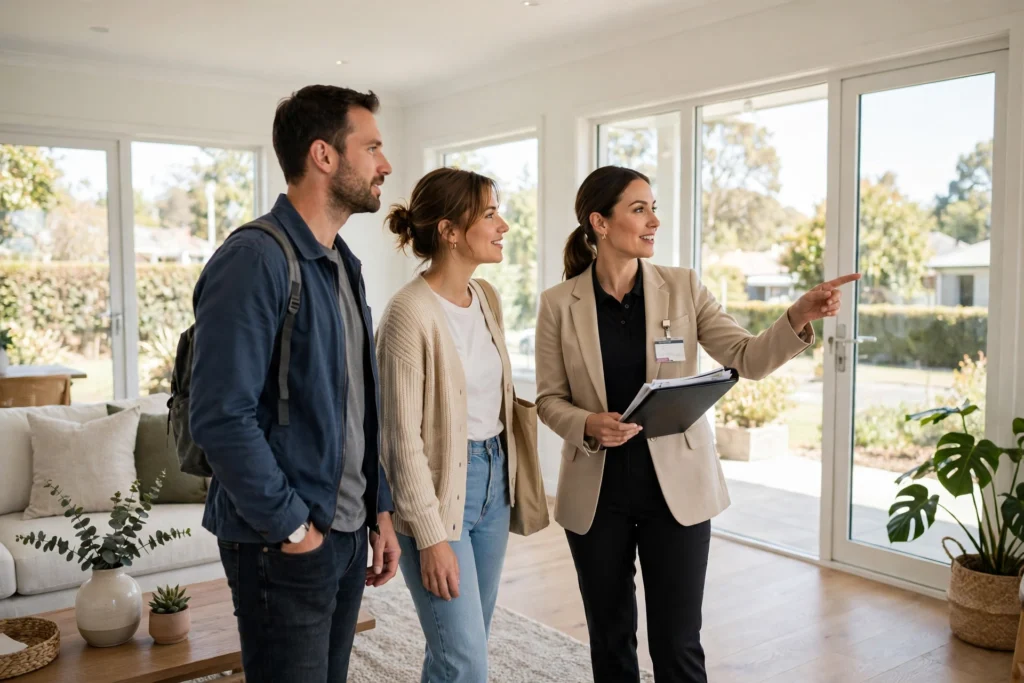
The questions to ask at a house viewing can save you thousands of pounds — or save you from the wrong house entirely. Most buyers spend barely twenty minutes inside a property before making the biggest purchase of their lives, charmed by a tidy living room and a fresh coat of paint. Sellers and agents know this, and first viewings are designed to sell a feeling.
Your job is different. A viewing is an inspection. This checklist takes you through what to ask and what to check — inside, outside and with the agent — so that if you make an offer, you make it with your eyes open.
Questions to Ask the Agent or Seller
- Why is the owner selling? A growing family moving up is a different story from a quick sale after problems with neighbours. The answer — or the hesitation — is information.
- How long has it been on the market, and have there been offers? A home sitting for months may have a problem, or may simply be overpriced. Either way, it shapes your negotiation.
- What is included in the price? Fittings, appliances, sheds, even curtains — never assume. Surprises here sour completions.
- How old is the boiler, and when was it last serviced? A replacement boiler costs thousands. The same goes for the roof and the windows.
- What are the neighbours like, and has there ever been a dispute? Sellers must disclose known disputes on the legal forms later — asking early can surface problems sooner.
- What work has been done, and are there certificates? Extensions, rewiring and window replacements should come with building control and guarantee paperwork.
Room-by-Room Checks Inside
Everywhere
Look at ceilings for water stains and at walls for cracks that step through bricks or run diagonally from window corners — both can signal leaks or movement. Smell for damp, which sellers sometimes mask with air fresheners and open windows in winter. Check phone signal, open and close windows, and test light switches and taps. Run a tap and note the water pressure, then look under the kitchen and bathroom sinks for leaks and mould.
Kitchen and bathroom
These are the expensive rooms. Look at the condition of seals and grout, check extraction fans work, and ask the age of the kitchen and bathroom suites. Water damage hides under baths and behind toilets — soft flooring or a musty cupboard is a warning sign worth a second viewing, not a shrug.
Bedrooms and living spaces
Visit at a realistic hour if you can. Which way do the windows face, and how much natural light is there really? Check whether your furniture would fit — measure the biggest room for your sofa and bed rather than guessing. Listen: can you hear the road, the neighbours, the flight path?
Outside and Neighbourhood Checks
- Roof and gutters: Look for slipped tiles, sagging gutters and plants growing where they should not. Roof work is expensive.
- Walls and pointing: Cracks, crumbling mortar and damp patches near the ground deserve questions.
- Garden boundaries: Which fences belong to the property, and are boundaries clear? Disputes start here.
- Parking and access: Try the parking at the time you would actually use it — evenings reveal the truth.
- The street at different times: Walk the area once in the evening and once at rush hour before you offer. A quiet Sunday street can be a different place on Monday morning.
Red Flags That Deserve a Second Look
None of these automatically means walk away — but all of them mean investigate before you offer: fresh paint on just one wall (a classic damp cover-up), a seller reluctant to let you look in the loft or under the stairs, unexplained cracks, a musty smell behind closed doors, and pressure to decide immediately because ‘another buyer is about to offer’. Good homes survive questions. Homes that cannot should not get your offer.
Before You Leave: The Five-Minute Routine
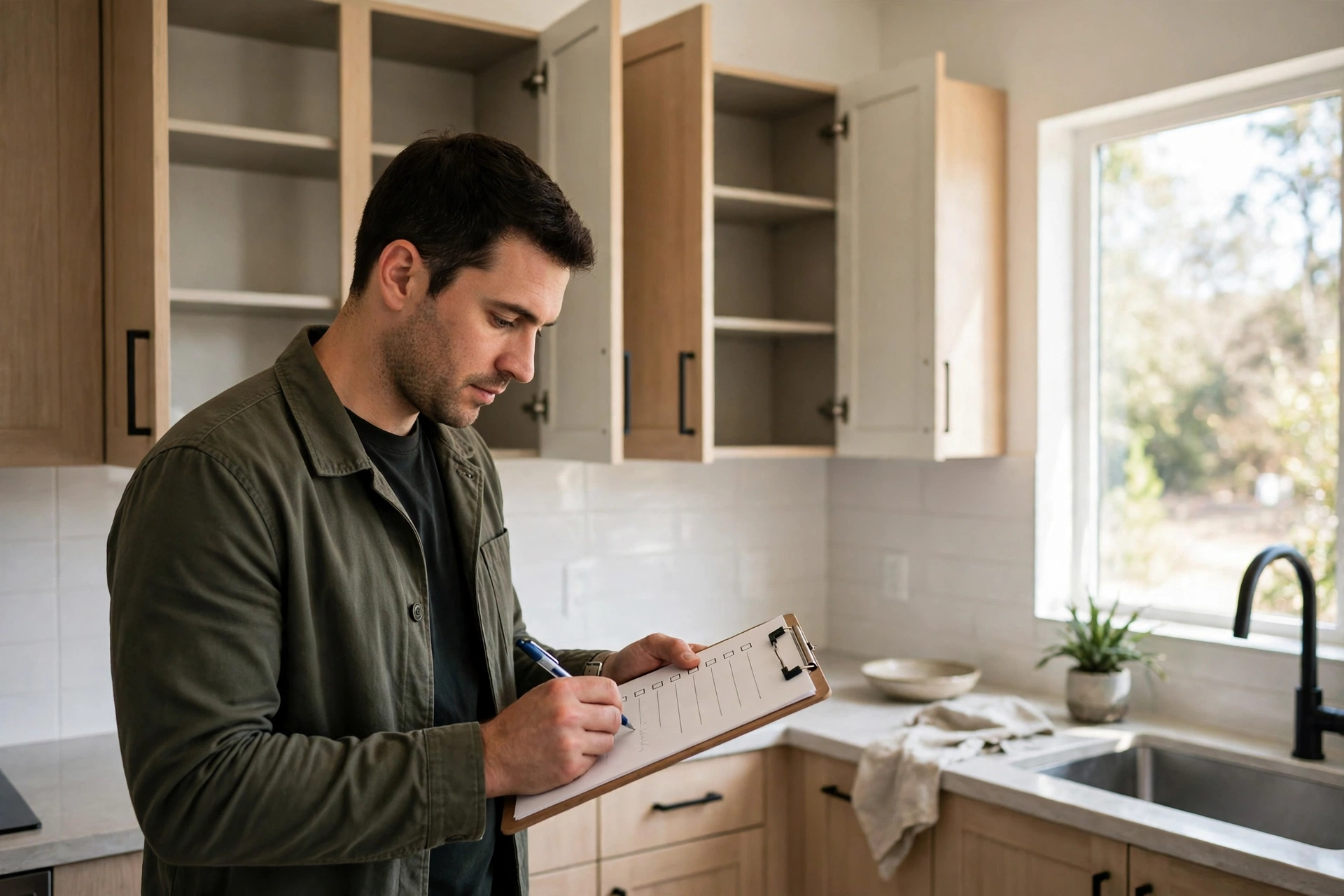
- Take photos and short videos of every room, including the boiler, meter cupboard and any defects.
- Write down the answers you were given while they are fresh — compare them against the agent’s description later.
- Note the running-cost clues: single glazing, old radiators, an ancient boiler all mean higher bills.
- Ask what happens next and what timescale the seller is working to.
- Sleep on it. If the home still looks right tomorrow — and your mortgage pre-approval is ready — then it is time to talk numbers.
The Bottom Line
The questions to ask at a house viewing are not about being difficult; they are about being thorough at the one moment thoroughness is free. Every problem you spot at a viewing is a problem you can price into your offer, ask the seller to fix, or walk away from. Every problem you miss becomes your problem at full price. View slowly, ask everything, and take notes like you mean it.
Frequently Asked Questions
How long should a house viewing last?
Take at least 20 to 30 minutes for a first viewing, and always arrange a second, longer viewing before offering on a home you are serious about — ideally at a different time of day.
Can I take photos during a house viewing?
Usually yes, but ask permission first as a courtesy. Photos of rooms, the boiler, and any defects are extremely useful when comparing properties later.
What is the most important question to ask at a viewing?
There are two: why the owner is selling, and what it will cost to run and maintain the home — boiler age, insulation, windows and any work the property will need in the next few years.
Should I view a house more than once before offering?
Yes. A second viewing at a different time reveals traffic, noise, light and neighbours in a way a single visit cannot, and it gives you the chance to check everything you missed the first time.