The best storage ideas for small homes do not start in a shop. They start with a walk around your home looking for the spaces you already own but are not using: the void under the stairs, the gap above the doors, the wall space above head height, the dead inches under the bed. Small homes rarely suffer from too little space — they suffer from too little found space.
This guide shows you where that hidden space is, how to use it without making rooms feel cramped, and the room-by-room wins that give the biggest results for the least money and effort.
The Hidden Spaces Almost Every Home Has
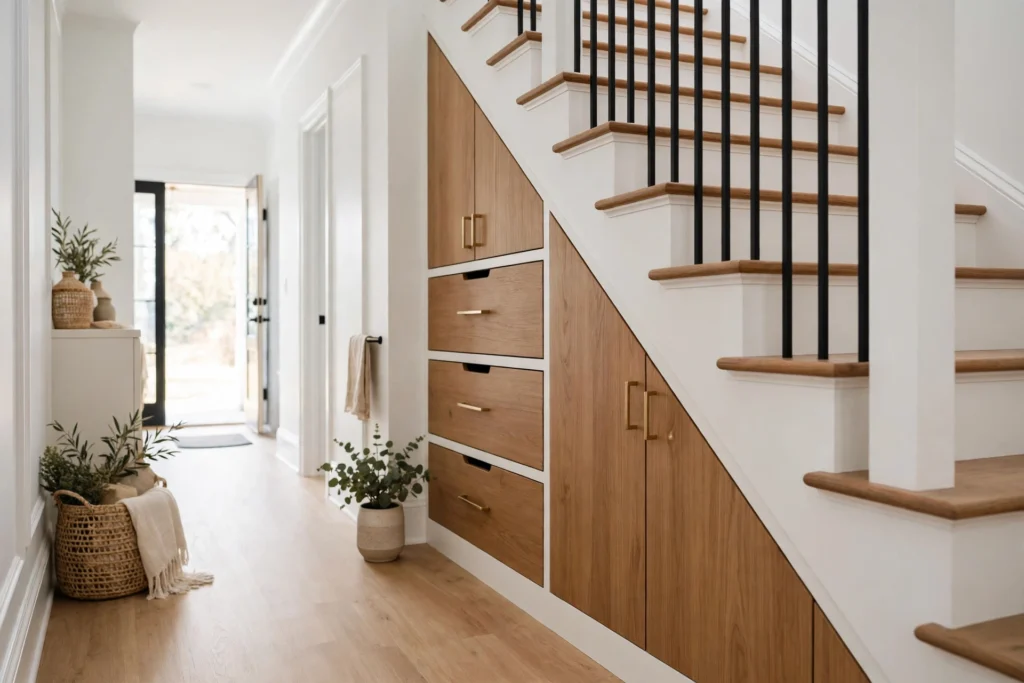
- Under the stairs — the classic wasted void. Pull-out drawers, made-to-measure cupboards or even simple stacked boxes with a curtain transform it into storage for shoes, coats, cleaning kit, or a small home office nook.
- Above doors — a shelf over a door frame in a hallway, bathroom or child’s room holds books, baskets and rarely used items completely out of the way.
- Under the bed — the largest flat storage area in the home. Low drawers or lidded boxes on wheels are perfect for spare bedding, out-of-season clothes and suitcases.
- Behind doors — slim racks and hooks on the back of doors hold shoes, cleaning supplies, spices or toiletries in otherwise useless inches.
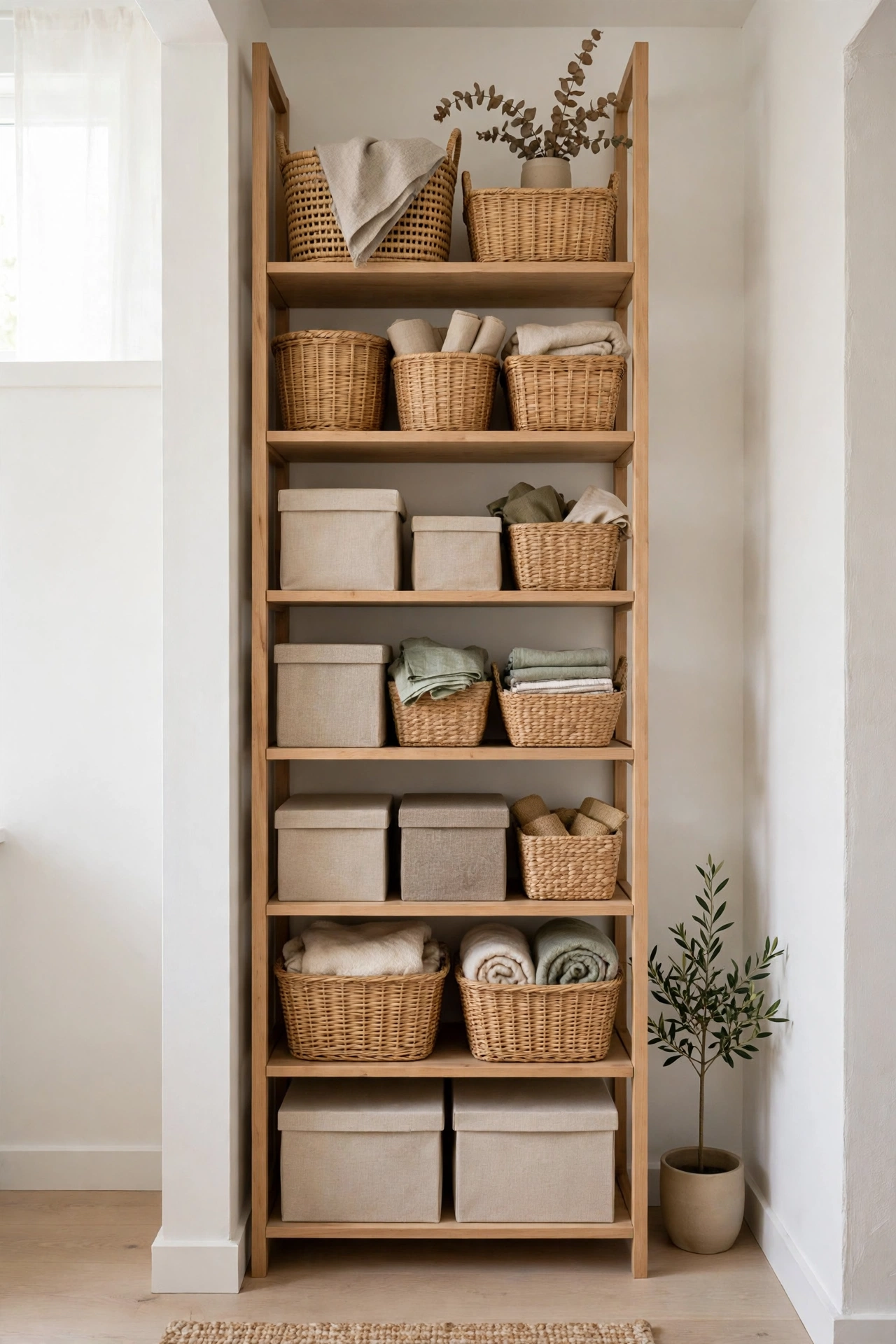
- Above kitchen cabinets and wardrobes — matched baskets on top of tall furniture turn dust-gathering gaps into tidy storage for things you need twice a year.
- The hallway — narrow console tables, wall hooks at two heights, and a bench with storage inside turn the most passed-through space into the hardest-working one.
Go Vertical: Use the Walls, Not the Floor
Floor space is precious; wall space is free. Tall, narrow bookcases hold as much as short, wide ones on half the footprint, and they draw the eye up, which makes ceilings feel higher. Floating shelves above desks, sofas and radiators reclaim the upper half of walls that usually hold only pictures. In kitchens, rails and magnetic strips lift utensils, knives and spice jars off worktops entirely. The rule: if it currently lives on a surface and could live on a wall, move it up.
Furniture That Does Two Jobs
In a small home, single-purpose furniture is a luxury. Choose pieces that store as well as serve: an ottoman or storage footstool instead of a plain one; a bed with drawers or a lift-up base; a hallway bench you can sit on with shoes inside; a coffee table with a shelf or drawers; a dining table that folds or extends only when guests come. When you replace any piece of furniture in a small home, ask what its replacement can hold.
Room by Room: The Biggest Wins
Living room: a storage ottoman, baskets that corral blankets and remotes, and shelves in the alcoves either side of a chimney breast — alcoves are found space that standard furniture never fits properly.
Bedroom: under-bed storage first, then the top of the wardrobe with matched boxes, and slim hooks or a rack behind the door for bags and dressing gowns.
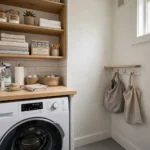
Bathroom: the smallest room gains the most — a mirrored cabinet instead of a plain mirror, a shelf over the door, a slim trolley between the basin and the wall, and baskets that keep surfaces clear.
Kitchen: drawer organisers, a second inner shelf inside tall cupboards, hooks inside cupboard doors, and the cabinet tops for baskets. Kitchens hide more dead space than any other room.
The Rule That Keeps Storage Working: Contain and Label
Found space fails when it becomes a junk void. Keep storage contained — boxes, baskets and drawers rather than loose piles — and grouped by job: one drawer for batteries and chargers, one basket for winter hats. Label anything opaque, keep everyday things at reachable height, and store the twice-a-year things highest and deepest. Then defend it with a one-in, one-out habit: in a small home, storage fills to the size of the life, and a quick sort twice a year keeps it working.
The Bottom Line
Small homes do not need more space nearly as much as they need better-found space: under the stairs, under the bed, over the doors, up the walls, and inside furniture that earns its footprint twice. Start with one hidden space this week — the under-stairs cupboard or the bed — and you will be surprised how much bigger your home feels without moving a single wall.
Frequently Asked Questions
Where is the most wasted storage space in a small home?
Under the stairs and under the bed are usually the two biggest. Together they can equal a whole wardrobe of storage that most homes use for dust and forgotten boxes.
How can I add storage without making a small room feel smaller?
Go vertical, use closed storage (doors and lids hide visual clutter), match boxes and baskets so storage reads as one calm surface, and keep floors as clear as possible — visible floor is what makes a room feel spacious.
What storage should I buy first for a small home?
Under-bed boxes or drawers, because the space is already there and free; then a storage ottoman or bench for the living room or hallway, because it replaces furniture you already have with furniture that also stores.
Is built-in storage worth the cost in a small home?
For awkward spaces — under stairs, alcoves, sloping ceilings — made-to-measure built-ins use every inch in a way flat-pack furniture cannot, and buyers notice them. For standard walls, tall freestanding units give most of the benefit for far less.