Gazumping is the heartbreak word of the housing market. You have found the house, agreed the price, paid for surveys and solicitors, mentally placed the furniture — and then the seller accepts a higher offer from someone else, weeks into the process, and there is nothing in law you can do about it. Its mirror image, gazundering, does the same damage in the opposite direction.
This guide explains what gazumping and gazundering are, why the buying system in England and Wales allows both, and — most usefully — the practical steps that genuinely reduce your risk, whichever side of the transaction you are on.
What Gazumping and Gazundering Actually Mean
Gazumping is when a seller, having accepted your offer, later accepts a higher offer from another buyer before contracts are exchanged — or demands more money from you to stay in the deal. It thrives in hot markets, where demand outruns supply and a better offer is always plausible.
Gazundering is the buyer’s version: shortly before exchange — sometimes the day before — the buyer lowers their offer, calculating that the seller, deep into the process and perhaps committed to their own onward purchase, will accept less rather than start again. It thrives in falling or uncertain markets. Both practices are widely disliked, both cost the victim money in lost fees and surveys, and in England and Wales both are, regrettably, legal.

Why the System Allows It
The root cause is a single legal fact: in England and Wales, an accepted offer is not legally binding on either side. Nothing binds buyer or seller until exchange of contracts, which typically happens weeks or months after the offer — after surveys, searches, mortgage offers and chains have aligned. Until that moment either party can walk away, renegotiate, or accept a better offer, with no penalty beyond reputation. Scotland works differently — solicitors conclude ‘missives’ much earlier in the process, making deals binding sooner — which is why gazumping is largely an English and Welsh complaint. Successive governments have consulted on fixing the system, including trials of reservation agreements, but at the time of writing no binding national scheme exists.
How to Protect Yourself as a Buyer
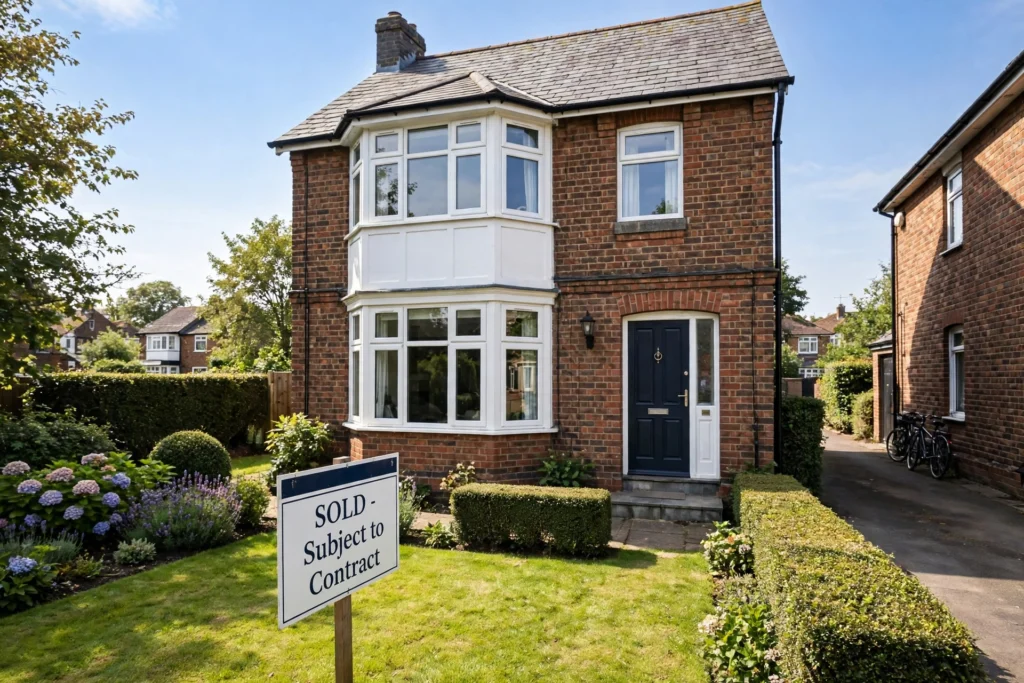
- Ask for the property to come off the market. The moment your offer is accepted, request — politely, in writing via the agent — that the listing is marked Sold STC and viewings stop. A seller who refuses tells you something important.
- Move fast. Gazumping feeds on delay. Have your mortgage agreement in principle ready before you offer, instruct a solicitor immediately, book the survey promptly, and answer every query the same day. A short, busy gap between offer and exchange is a small target.
- Ask about a lock-out (exclusivity) agreement. Your solicitor can draft an agreement where the seller, in return for a fee or simply a commitment, takes the property off the market for a fixed period while you proceed. Not every seller agrees, but it costs little to ask.
- Consider reservation agreements where offered. Some agents and new-build developers use formal reservation agreements with deposits from both sides, forfeited by whichever party walks away without good reason.
- Be visibly proceedable. Sellers gazump flaky deals. A buyer with finance proven, chain-free or chain-complete, and paperwork moving is the buyer sellers keep.
How to Protect Yourself as a Seller
Gazundering protection starts before you accept. Vet the offer, not just the number: the highest bid from a buyer with no mortgage agreed and a house still to sell is often the most fragile. Keep communication warm and progress visible — buyers lower offers on sales that feel neglected or risky. If a buyer does try to drop the price late, you have more options than panic: ask for their reason in writing (a genuine survey finding is different from chancing it), consider a small, time-limited compromise rather than a collapse, and remember that a remarketed house with a clear explanation usually sells again — sometimes to the same buyer, suddenly able to find the original price after all.
If It Happens to You
If you are gazumped, you can match or beat the new offer — sometimes worth it for a house you truly want, but decide with a ceiling set in advance, not in the heat of the phone call. Your spent survey and legal fees are normally unrecoverable, which is why some buyers take out home buyers’ protection insurance: inexpensive cover that reimburses conveyancing, survey and mortgage fees if the purchase falls through for reasons including gazumping. If you are gazundered, take 24 hours before responding; late reductions succeed by stampeding sellers, and a day of calm often reveals whether the buyer’s position is real.
The Bottom Line
Gazumping and gazundering survive because English and Welsh property deals bind late, not because everyone in them is dishonourable. Until the system changes, your protection is speed, preparation and paperwork: off the market on day one, professionals instructed immediately, exclusivity asked for, insurance considered. You cannot make the other side behave — but you can make your deal the one it is hardest to walk away from.
Frequently Asked Questions
Is gazumping illegal in the UK?
In England and Wales, no — because an accepted offer is not legally binding until contracts are exchanged, a seller may accept a higher offer before that point. The system in Scotland binds buyer and seller much earlier, so gazumping is rare there.
Can I get my money back if I am gazumped?
Survey, legal and mortgage fees already spent are usually lost. Home buyers’ protection insurance can reimburse many of these costs if a purchase falls through due to gazumping, and costs relatively little.
What is a lock-out agreement?
An agreement (usually drafted by a solicitor) in which the seller commits to not negotiating with anyone else for a set period while the buyer proceeds in good faith. Some include a fee payable by the seller if they break it.
Does gazundering work?
Sometimes, which is why it happens — but it frequently backfires: sellers refuse, chains collapse, and buyers lose the home they wanted. A price reduction supported by genuine survey evidence is a negotiation; a last-minute ambush is a gamble.