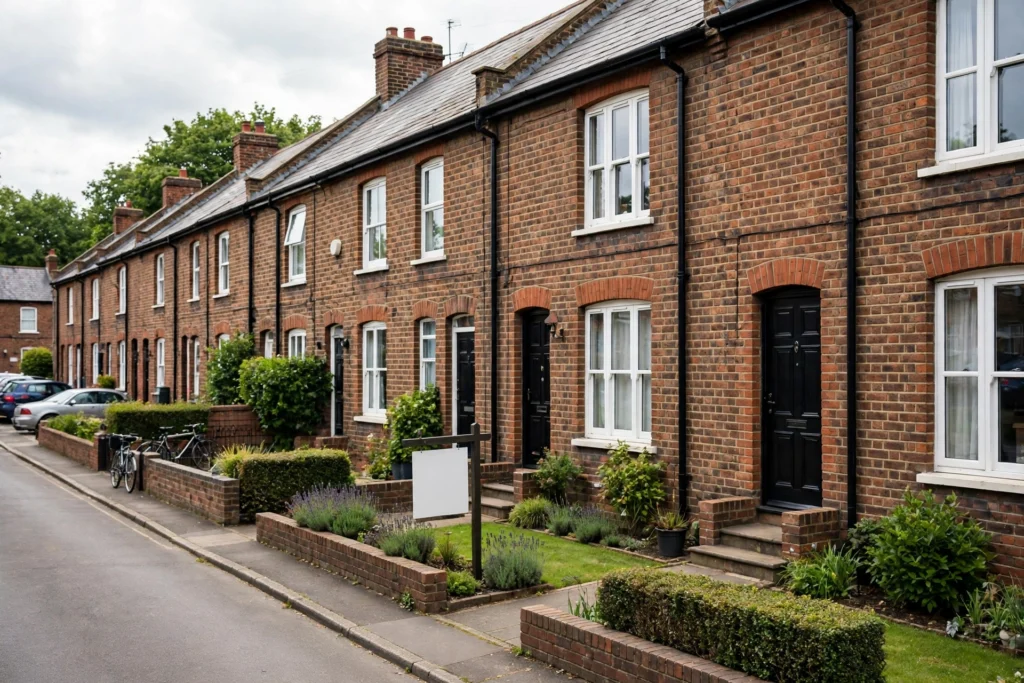
Landlords selling up has become one of the defining property stories of the past two years. Walk down almost any street of terraced houses and you will spot the pattern: the ‘For Sale’ board outside a home that was rented out for a decade, the tenants moving on, and a property that will very likely never return to the rental market. Survey after survey of letting agents tells the same story — more landlords leaving the sector than joining it — and the effects are now working their way through rents, house prices and the choices facing everyone in the market.
So why are landlords selling, who is buying the homes they leave behind, and what does it all mean if you are a renter hoping to stay put or a buyer hoping for a break? This is the picture as it stands.
Why Landlords Are Leaving
There is no single cause; there is a pile-up of them. Costs rose first: the era of very cheap buy-to-let mortgages ended when interest rates climbed, and landlords coming off fixed deals have faced payments hundreds of pounds a month higher on interest-only loans that no longer stack up against the rent. Tax has tightened steadily over the past decade — mortgage interest relief for individual landlords was replaced by a basic-rate credit, stamp duty surcharges hit additional homes, and the margin on a typical rented property has thinned to the point where one void month or one boiler failure erases the year’s profit.
Regulation is the third pressure. Stronger rights and standards for tenants — longer security, stricter rules on ending tenancies, higher energy-efficiency expectations for rented homes — are, in themselves, protections most people welcome. But each new requirement lands hardest on the small, part-time landlord with one or two properties and a day job: the accidental landlord, the inheritor, the couple renting out a former home. Faced with more compliance, more cost and thinner returns, many are concluding that selling is simply the rational move — particularly older landlords for whom the property was always their pension plan, now being cashed in.
Who Is Buying the Homes They Leave?
Here is the part of the story that rarely makes the headline: a sold rental home does not vanish. In most cases it is bought by someone who will live in it — very often a first-time buyer, because ex-rental stock (terraced houses, smaller flats, homes in working neighbourhoods) sits exactly at first-time-buyer prices. Agents consistently report former rentals forming a meaningful share of sales to first-time buyers, for whom the landlord exodus has quietly increased choice and, in some areas, softened competition from investor buyers who once outbid them with cash. Some homes are bought by other, larger landlords — the sector is professionalising, with portfolio and company landlords absorbing stock that small landlords shed — but the overall rental supply is still shrinking, because not every sold rental is replaced by a new one.
What It Means for Renters
For tenants, the honest summary is: a tighter market. Fewer available rentals chasing the same number of households means rents face continued upward pressure and competition for each new listing stays fierce — several applicants per property in many towns. If your landlord does sell, know the basics of your position: a sale does not end your tenancy by itself, your deposit protection and rights travel with the property, and any move to end the tenancy must follow the proper legal process with proper notice — a ‘For Sale’ board is not an eviction. Tenants in areas with heavy landlord selling would be wise to keep a buffer fund and a good relationship with their landlord; where a sale is coming, being the buyer is sometimes an option worth raising early, particularly if the landlord wants a chain-free, hassle-free sale.
What It Means for Prices and Buyers
For the wider market, landlord selling is a slow, steady supply of exactly the housing stock in shortest supply: affordable first homes. That flow does not crash prices — demand is too deep for that — but it does moderate them at the starter end of the market and gives first-time buyers a route in that bypasses the hardest competition. For sellers of ex-rental homes, the flip side applies: your buyers are mostly first-time buyers with mortgages and chains of their own, so pricing realistically and presenting a home (not an investment) matters. And for the landlords who remain? Scarcity is, commercially, on their side — strong tenant demand and rising rents for well-kept homes — which is why the story is not ‘landlords are finished’ but ‘landlording is becoming a professionals’ business’.
The Bottom Line
Landlords are selling up because costs rose, tax tightened and the rules of the job grew heavier — and the small landlords who once defined the sector are leaving fastest. Renters feel it as a tighter, pricier market; first-time buyers feel it as unexpected opportunity; and the rental sector that remains is becoming larger-scale and more professional. Whichever side of the fence you stand on, the trend is set to shape the housing market for years yet.
Frequently Asked Questions
Why are so many landlords selling up now?
A combination of higher mortgage costs, a decade of tax tightening on individual landlords, and new regulation and energy standards that fall hardest on small landlords. For many, especially those nearing retirement, the returns no longer justify the work and risk.
Does my landlord selling mean I have to move out?
Not automatically. A sale does not end a tenancy by itself; the new owner takes over as landlord, or the tenancy must be ended through the correct legal process with proper notice if the buyer wants to live there. Check your tenancy type and take advice if you receive any notice.
Is the landlord exodus good news for first-time buyers?
In part, yes. Former rental homes are typically priced where first-time buyers shop, and there is less competition from cash investor buyers than there used to be. The trade-off is that those who cannot buy yet face a tighter, more expensive rental market.
Will rents fall if landlords keep selling?
Unlikely while supply keeps shrinking faster than demand. Fewer rental homes with the same number of households looking usually pushes rents up, not down — which is why the exodus matters so much to tenants.