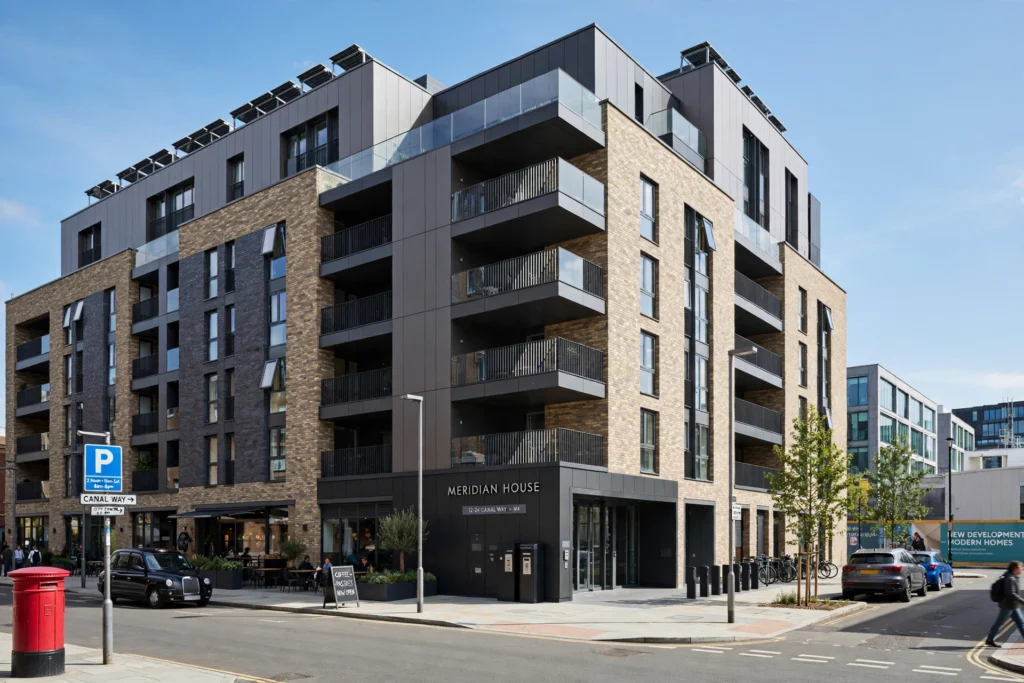
Anyone buying a flat soon learns how different it is from buying a house in one fundamental way: you are not buying bricks and land outright, you are buying a lease — the right to live in that home for a set number of years — plus a share of the costs of the whole building. That is not a reason to avoid flats; millions of leaseholders are perfectly happy. But it does mean the paperwork decides whether a flat is a bargain or a burden. Two flats with the same asking price can differ by thousands of pounds a year in charges, and by decades of lease. Here are the checks that matter, in the order a careful buyer makes them.
The Lease: Length Is Money
Start with the remaining term. A new lease might run 125 or 999 years; an older flat might have 90, 85 or fewer years left. The critical zone begins below about 80 years. As the term shrinks, the flat’s value falls relative to an identical flat with a long lease, because extending becomes expensive — and the freeholder’s share of the cost grows sharply as the years run down. Lenders know this: many become reluctant below 80 years and most refuse well below that, shrinking your future buyer pool too. Extending a lease is a legal right for most flat owners after two years of ownership, and sellers will sometimes start the process and pass the benefit to the buyer so the sale is not blighted — ask. Our explainer on leasehold vs freehold covers the background.
Service Charges, Reserve Funds and Major Works
The service charge pays for the building: insurance, cleaning, lifts, communal lighting, gardening, repairs and the managing agent’s fee. Before you offer, ask for the last three years of service charge accounts and the current year’s budget. You are looking for a pattern, not just a number. A charge that looks low because nothing is being spent can be worse than a higher, honest one. Check whether there is a reserve or sinking fund — a pot built up gradually for big items like roof or lift replacement. A healthy reserve means major works are partly pre-paid; no reserve means owners can be hit with sudden large bills. Then ask the question that catches buyers out: are any major works planned, and have Section 20 consultation notices been served? Section 20 is the legal consultation required before expensive works, and a flat can look cheap precisely because a £20,000-per-flat roof bill is already in the pipeline. Your conveyancer will request the leasehold management pack, which should reveal this — but asking the agent first costs nothing and can save you months.

Ground Rent and Who Runs the Building
Ground rent is the annual payment to the freeholder for the land. Older leases often have a modest fixed sum; the danger lies in clauses where the rent doubles at set intervals or rises steeply with an index, which has made some flats hard to mortgage and sell. Ask for the current amount, the review pattern in the lease, and whether it stays below the thresholds lenders watch. Next, establish who manages the building. It may be the freeholder, a professional management company, or the residents themselves through a right-to-manage company or a share of the freehold — the last two often mean charges are controlled by the people who pay them. Ask how responsive the manager is, whether there are disputes between owners and the freeholder, and whether buildings insurance is arranged competitively.
Building Safety and Everyday Restrictions
For taller blocks, building safety is now a first-order check. Ask about the external wall system and whether an EWS1 form exists for the building, what it says, and whether any cladding or fire-safety remediation is planned — and who is expected to pay. Ask whether a waking watch (24-hour fire patrol) has ever been charged to residents — those costs were ruinous for some. You usually insure contents only; the block policy, funded through the service charge, covers the structure — confirm it is in place and what excesses apply. Finally, read the restrictions before you fall for the flat: many leases limit or ban pets, subletting and short-term lets, running a business, altering the flat, or laying hard flooring that carries noise to the flat below. Discovering after exchange that your dog or your lodger breaches the lease is an expensive surprise.
Questions to Ask the Agent Before You Offer
Bring a list. How many years are left on the lease, and has the seller begun an extension? What is the service charge this year, what was it three years ago, and is there a reserve fund? What is the ground rent and how does it increase? Are any major works planned or Section 20 notices served? Who manages the building, and are there any known disputes or tribunal cases? For taller blocks: what is the cladding and EWS1 position? For a brand-new flat, some answers differ — charges are estimates at first — and our guide to buying a new-build home covers the snagging and warranty checks. Price the flat with its charges and lease in mind — a “cheap” flat must prove it really is one.
Frequently Asked Questions
How long a lease should a flat have?
Longer is always better, and anything above 100 years is comfortable. Between 80 and 100 years, price the cost of a future extension into your offer. Below 80 years, expect lease extension costs to rise sharply and some lenders to hesitate; below 70, many buyers walk away unless the price reflects it.
What is a reasonable service charge?
There is no single figure — a small block with no lift costs far less to run than a high-rise with concierge and gym. Judge it against the services provided, the trend over three years, and whether a reserve fund exists. A very low charge in a block with a lift and ageing roof is a warning, not a bargain.
Can service charges go up after I buy?
Yes. Charges are set each year from the building’s actual costs, and major works can add significant one-off bills. That is why the accounts, reserve fund and planned works matter more than this year’s figure alone.
What if the building has cladding issues?
Ask for the EWS1 position in writing, what remediation is planned, and who is expected to fund it. Lenders vary in what they accept, so a mortgage offer may depend on the answers — do not proceed on verbal reassurance alone.