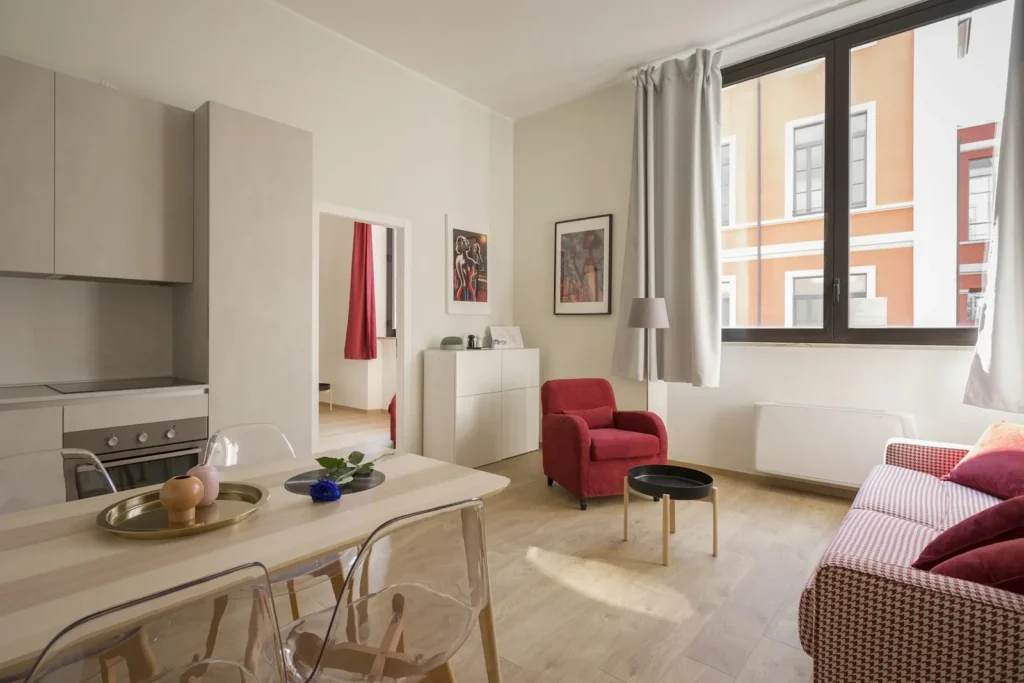
A small living room is not a problem to fix — it is a space to plan properly. When every piece of furniture earns its place and the light is used well, a compact room can feel calmer and more comfortable than a large, cluttered one. These small living room ideas focus on the changes that make the biggest difference: layout, light, colour and storage that works hard without taking over the room.
Start With the Layout, Not the Furniture
Most small rooms feel crowded because of how they are arranged, not because of their size. Pull your sofa a few centimetres away from the wall — it sounds backwards, but the small gap creates a shadow line that makes the wall feel further away. Keep walkways clear and straight, and choose one strong focal point, such as the window or a single piece of art, so the eye has somewhere to rest.
If you are buying new pieces, measure first and choose furniture with legs rather than solid bases. A sofa, armchair or TV unit raised on legs lets you see the floor underneath, and the more floor you can see, the larger the room feels. Glass or open-frame coffee tables work the same way — they hold your cup without blocking the view across the room.
Use Colour to Stretch the Walls
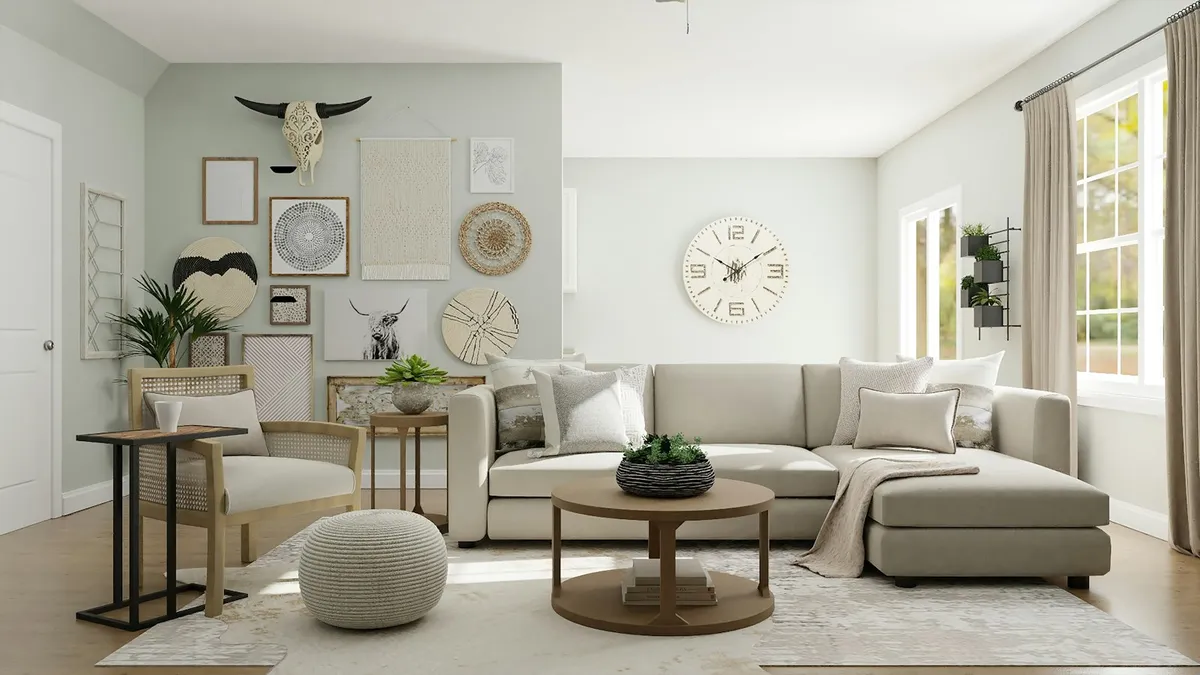
Light colours reflect light and blur the edges of a room, which is why soft whites, warm greys and pale stone shades are the classic choice for small spaces. That does not mean the room has to be plain. Paint the walls, skirting and ceiling in tones of the same colour family and the boundaries soften, making the whole space feel taller and wider.
Add depth with one stronger accent — a deep green or navy armchair, cushions or a throw — rather than several competing colours. If your living room joins an open-plan kitchen, carrying the same palette through both spaces makes each one feel larger; our guide to modern kitchen ideas shows how to keep the two areas working together.
Let in as Much Light as Possible
Natural light is the cheapest way to make a small room grow. Swap heavy curtains for simple blinds or sheer panels that sit close to the window, and hang curtain poles wider than the frame so the fabric does not cover the glass when open. A large mirror opposite or beside the window doubles the light and the view at the same time.
For the evening, one ceiling light is rarely enough. Layer your lighting instead: a floor lamp in the corner you read in, a table lamp at a lower height, and warm-white bulbs throughout. Layered light removes the dark corners that make a room shrink after sunset.
Choose Storage That Hides in Plain Sight
Clutter is what really makes small rooms feel small. Look for furniture that stores as well as it sits: an ottoman with a lid for blankets and remotes, a storage footstool, or a TV unit with closed cupboards rather than open shelves. Closed storage always looks calmer than open storage in a compact space.
Use the full height of one wall rather than spreading storage around the room. A single tall bookcase or a run of wall shelves draws the eye up and keeps the floor clear. Keep the shelves roughly two-thirds full — the breathing space is what makes them look styled rather than stuffed.
Small Changes, Big Difference
A few finishing touches pull everything together. Choose one larger rug instead of several small ones; a rug that fits under the front legs of the sofa anchors the seating area and makes it feel like one generous space. Hang art slightly lower than you think — at eye level when seated — and pick one or two bigger pieces rather than a wall of small frames.
Plants add life without taking much room: one tall plant in an empty corner is better than five small pots scattered about. And if you are refreshing the room on a budget, textiles are your best tool — new cushion covers, a throw and one good lamp can change the whole feel of the room for very little money, as our guide to home decor ideas on a budget explains.
The Bottom Line
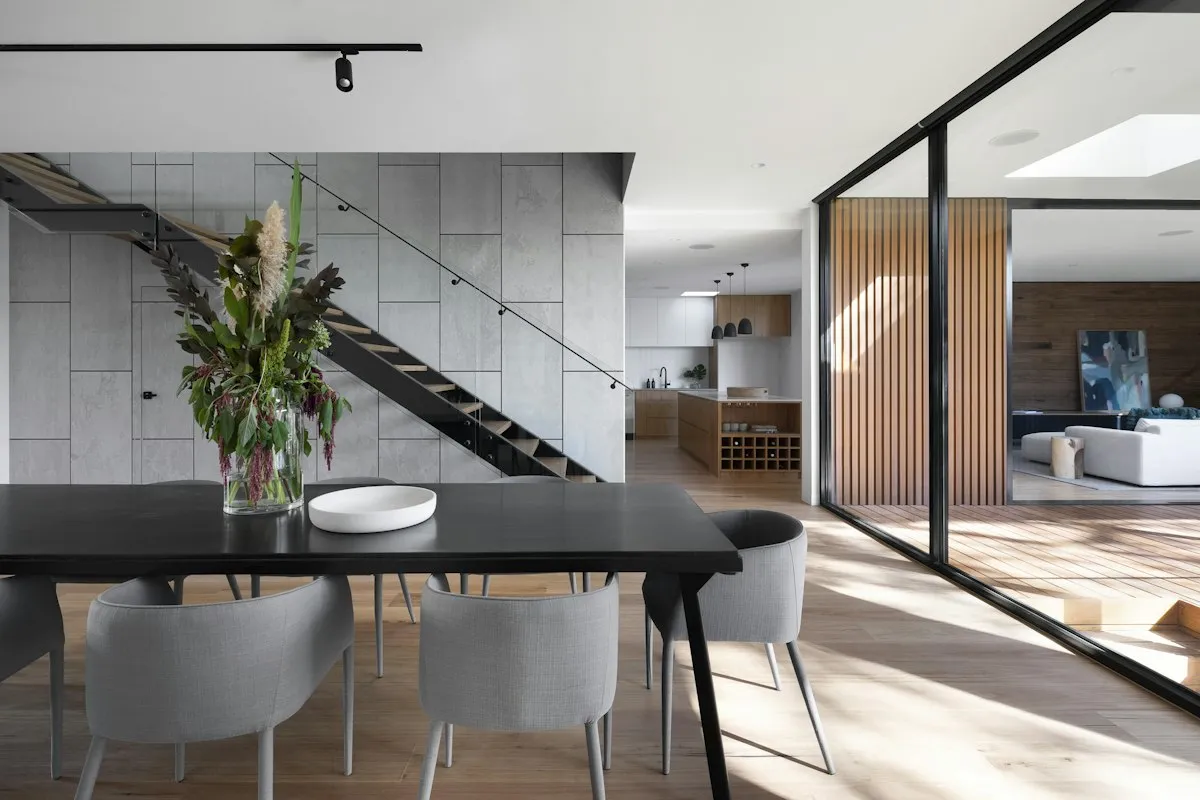
The best small living room ideas are rarely about buying more — they are about choosing better. Fix the layout first, keep the palette light with one strong accent, layer the lighting and hide storage inside the furniture you already need. Do those four things and even the tiniest living room can feel bright, calm and welcoming. For more inspiration, browse our latest interior design ideas.