Almost every renovation story ends the same way: “it cost more than we expected.” The work rarely changes — the budget was simply built on guesses. Understanding typical home renovation costs before you start, room by room, is how you avoid that ending. These are realistic planning ranges for 2026; your quotes will vary with region, the age of the house and the finish you choose, but they will help you spot a quote that is suspiciously cheap or wildly expensive.
Kitchen Renovation Costs
The kitchen is usually the most expensive room in the house to renovate. A budget refresh — painting cabinets, new handles, a new worktop surface and appliances kept in place — can be done for a few thousand. A full mid-range refit with new units, worktops, flooring, tiling and appliances typically lands in the low-to-mid five figures. High-end kitchens with bespoke cabinetry and stone worktops can cost several times that. The biggest drivers are cabinetry (often 40% of the budget) and any plumbing or electrical moves — keeping the sink and cooker where they are is the simplest saving there is.
Bathroom Renovation Costs
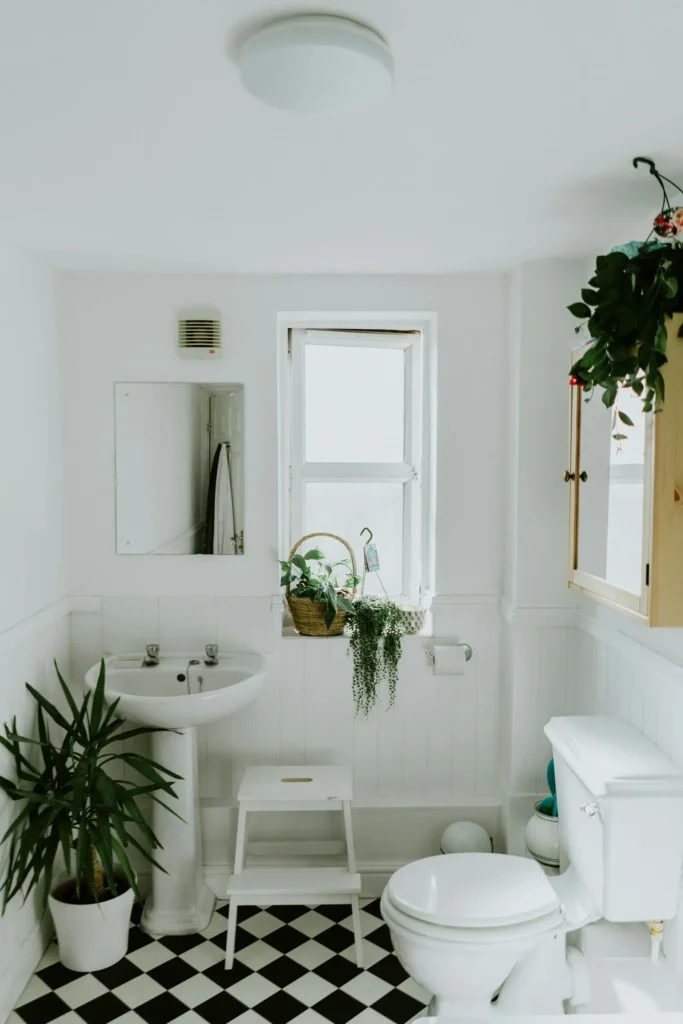
Bathrooms pack a lot of trades into a small space: plumbing, electrics, tiling, waterproofing. A like-for-like replacement of suite and tiles in the same positions is the affordable end; moving the toilet or bath, adding underfloor heating or choosing large-format stone tiles moves you up the scale quickly. As a planning figure, expect a straightforward family bathroom refit to cost roughly what a small car costs — and a luxury ensuite considerably more. Tiling labour is the line item that surprises most people, so get it quoted per room, not per day.
Living Spaces, Bedrooms and Hallways
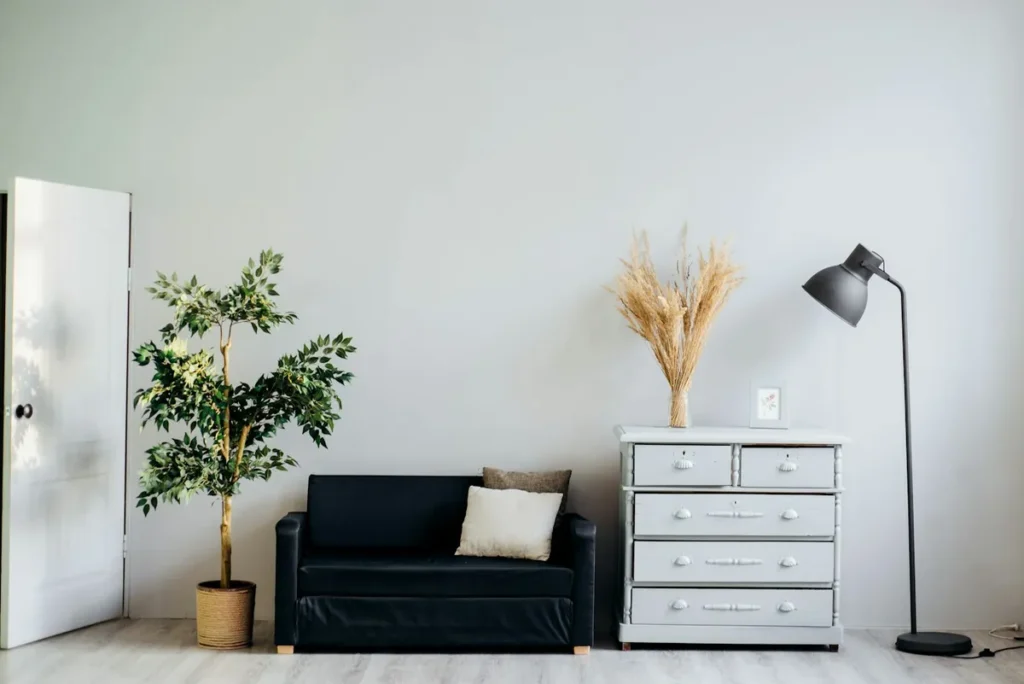
These rooms are cheaper per square metre because the work is mostly surfaces: plastering, flooring, woodwork and decoration. A full re-plaster, new flooring and redecoration of a living room sits in the low four figures for most homes, rising with hardwood floors, new fireplaces or built-in joinery. Bedrooms follow the same pattern; the hallway and stairs cost more than their size suggests because of the labour in stair carpets, spindles and awkward access. Cosmetic-only refreshes — paint, paper and new textiles — can transform these rooms for very little, as our home decor ideas on a budget show.
The Hidden Costs Everyone Forgets
Budget for the unglamorous list: building control fees and any structural engineer’s calculations; skip hire and waste removal; new radiators, sockets and light fittings; making good after the main work; and the temporary cost of living without a kitchen or bathroom. Then add the most important line of all — a contingency of 10–20%. In older houses, opening a floor or wall reveals rotten joists, ancient wiring or pipes that must be replaced. A contingency is not pessimism; it is what keeps a surprise from becoming a crisis.
Labour vs Materials: Where the Money Goes
On most projects, labour is 40–60% of the total. That is why doing suitable jobs yourself genuinely saves money — painting, tiling a small splashback, fitting shelves and other tasks from our list of DIY home projects for beginners are all safe places to contribute. But be honest about the standard you can reach: badly finished DIY in a newly renovated room is the most expensive saving of all. Also remember that good insulation fitted during a renovation — see our home insulation guide — is far cheaper than adding it later, and pays you back every winter.
How to Keep a Renovation on Budget
Get three written quotes with the work itemised the same way so you can compare line by line. Fix your choices before work starts — every change mid-project costs twice: once in materials, once in delay. Agree a payment schedule tied to completed stages, never the full amount up front. And keep a simple spreadsheet of every spend, however small; renovations bleed money through £40 trips to the DIY store that nobody wrote down.
The Bottom Line
Home renovation costs are manageable when they are planned, room by room, with honest ranges and a real contingency. Spend on the bones — plumbing, electrics, insulation — choose mid-range finishes you can upgrade later, and never start a room you cannot afford to finish. For more guides, explore our home improvement ideas.