The cheapest energy is the energy you never use. Most homes waste a surprising share of their heating and electricity on draughty rooms, overheated water, lights left on and appliances sipping power around the clock. These energy saving tips attack the waste first — none of them ask you to sit in a cold, dark house, and most cost nothing at all.
Heating: Where Most of the Money Goes
1. Turn the thermostat down one degree. You will barely feel it; most households save a noticeable slice of their heating bill for every degree they come down.
2. Heat the rooms you use. Thermostatic radiator valves let you turn down spare bedrooms and hallways instead of heating the whole house to the temperature of one room.
3. Set timers honestly. Heating an empty house is pure waste. Program the heating to come on shortly before you get up and go off shortly before you leave or sleep.
4. Bleed your radiators. Air pockets make the top of a radiator cold and the boiler work harder. A radiator key and two minutes per radiator, once or twice a year, fixes it.
Stop Heat Escaping
5. Draught-proof everything. Foam tape, door brushes and chimney balloons stop the cold air that makes you reach for the thermostat. Combined with proper home insulation, this is where the biggest savings live.
6. Close curtains at dusk. Windows leak heat after dark; heavy or lined curtains drawn when the light fades genuinely slow it down — then open them again on sunny mornings and let the sun do free heating.
Lighting and Electricity
7. Switch to LED bulbs. LEDs use a small fraction of the power of old halogen or incandescent bulbs and last for years. Replace the most-used lights first — hall, kitchen, living room.
8. Kill standby. TVs, consoles, chargers and kitchen gadgets draw power all day doing nothing. A standby-saver plug or simply switching off at the wall quietly saves a meaningful sum every year.
Appliances and Habits
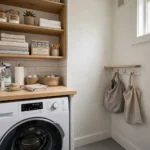
9. Wash cooler, wash full. Modern detergents clean well at 30°C, and full loads of laundry and dishwashing use the same energy as half loads — wait until the machine is full.
10. Boil only what you need. The kettle is one of the most powerful appliances in the kitchen. Fill it for the cups you are actually making.
11. Turn the hot water down. If your cylinder or combi boiler is set hotter than about 60°C, you are paying to heat water and then cooling it with cold at the tap.
12. Track it with a smart meter. You cannot manage what you cannot see. An in-home display showing today’s spend changes behaviour more than any lecture — check whether your supplier fits one free.
Bigger Steps When You Are Ready
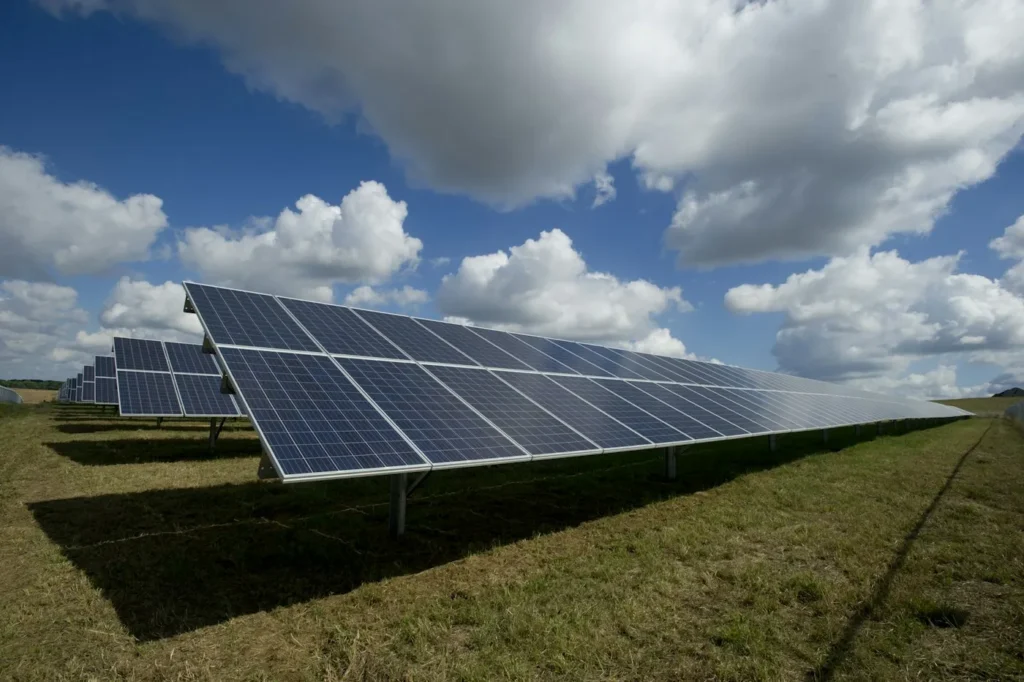
Once the free wins are done, the worthwhile investments are insulation (see the guide linked above), a modern efficient boiler when the old one dies, and — for suitable roofs — solar panels, which have never made more sense for homes that use power during the day. Spread the cost by doing these jobs alongside other work: our breakdown of home renovation costs shows how to fold energy upgrades into a renovation budget. Even small decor-level changes help — warm-white efficient bulbs and sensible textiles feature in our home decor ideas on a budget.

The Bottom Line
Energy saving tips work best in order: waste first, habits second, hardware third. Turn the thermostat down a notch, seal the draughts, switch the bulbs, and let your meter show you the difference. Your home stays just as comfortable — the bill simply stops paying for heat and light nobody used. More money-saving guides are in our home improvement ideas.