The difference between a garden that looks designed and one that looks accidental is rarely money — it is planning. Garden centres are full of beautiful plants bought on impulse and planted wherever there was a gap. This guide to garden design ideas takes the opposite approach: decide the layout first, plant second, and your garden will look intentional in every season, whatever its size.
Start With How You Will Use the Space
Before drawing anything, list what the garden must do: somewhere to sit in the sun, a lawn for children or dogs, vegetables, privacy from neighbours, a view from the kitchen window. Every design decision that follows serves that list. Then watch your garden for light — note where the sun falls at breakfast, midday and evening across a weekend. Sitting areas belong in the evening sun if you work all day; vegetables want the sunniest ground you have (our guide to how to grow your own vegetables explains why in detail).
Draw the Bones: Paths, Edges and Levels
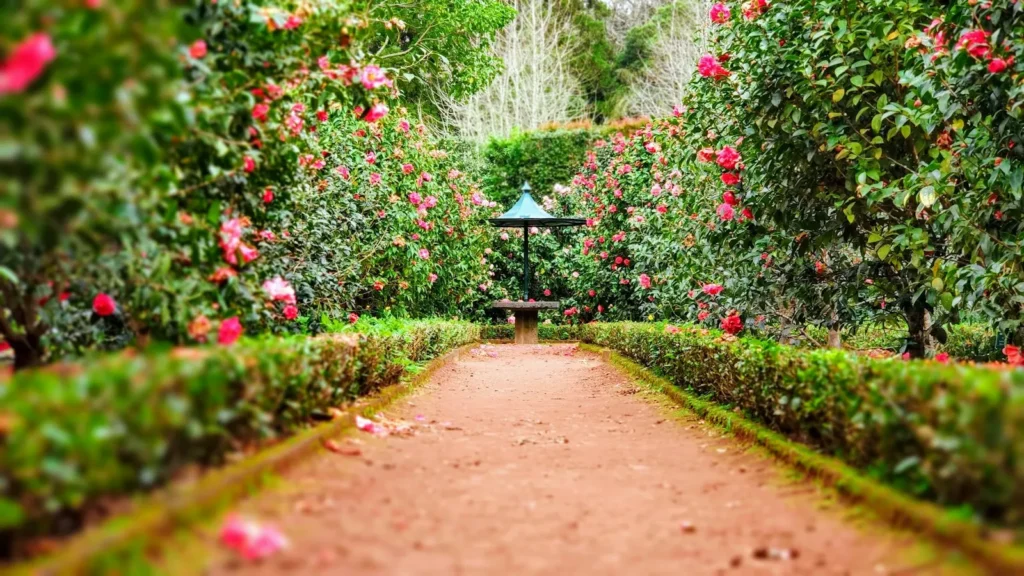
Gardens are read by their structure. A path — even a simple one of stepping stones — gives the eye a journey and the feet a dry route. Beds with clean, generous curves or straight formal lines look deliberate; wavy edges that follow no logic look untidy. If your plot slopes, one level change with a couple of steps creates more interest than any plant can. Get these bones right in winter, when nothing hides them, and planting becomes the easy part.
Design for Every Corner, Including the Shade
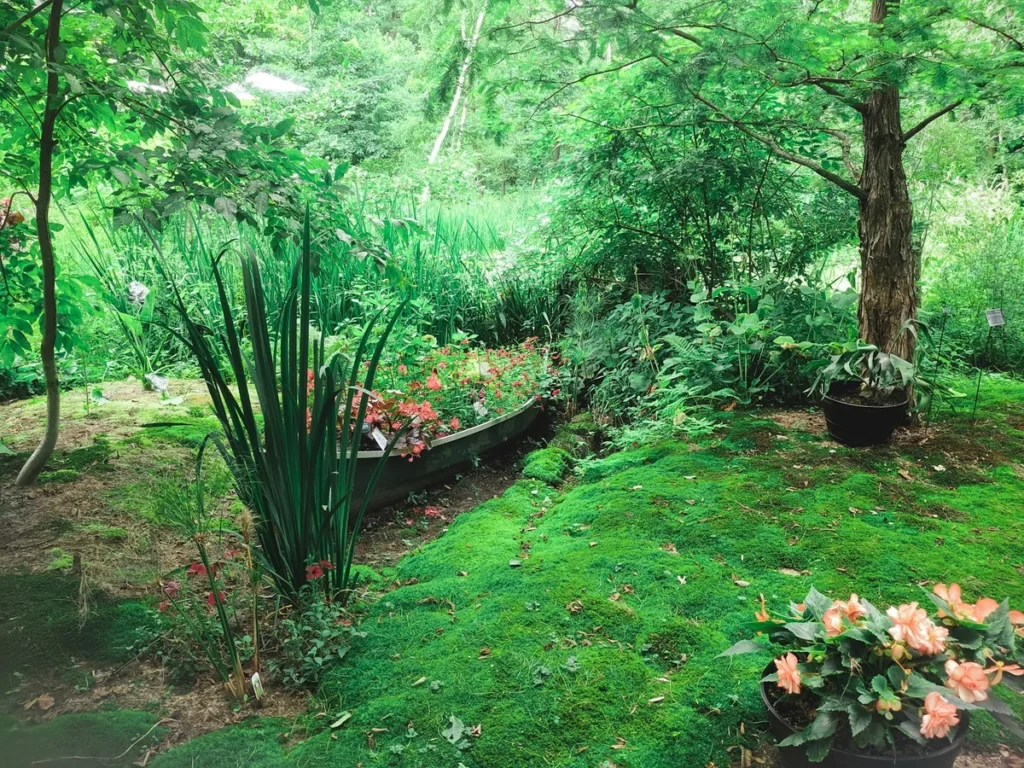
Every garden has an awkward corner: deep shade by the fence, a boggy patch, the strip down the side of the house. Design with these conditions instead of against them. Shade loves ferns, hostas, and woodland planting under trees; damp ground suits moisture-loving plants that would sulk elsewhere. The gardens people remember are the ones where every corner looks chosen.
Plant in Layers and Drifts
Professional planting works in three layers: trees and large shrubs for structure, mid-height perennials and grasses for the long season of interest, and ground cover or bulbs to fill the gaps and suppress weeds. Plant each variety in drifts of three, five or more rather than single specimens dotted about — repetition is what makes a border look generous rather than spotty. Choose plants for foliage as much as flowers; flowers last weeks, leaves last all season. And if time is short, build the scheme around the tough performers in our guide to low maintenance plants.
Focal Points and Finishing Touches
Every view needs an ending: a bench under an arch, a bird bath, a single handsome pot, a small tree with spring blossom and autumn colour. Place one focal point where it is seen from the house — ideally from the window you look out of most — and resist adding a second competing for attention nearby. A simple lawn kept in good shape sets everything off; our lawn care guide covers that side of the picture.
The Bottom Line
Good garden design is mostly decisions made before the planting starts: how the space is used, where the paths run, what each corner wants to be. Do that thinking once, plant in layers and drifts, and the garden will reward you for years. Browse more ideas in our garden section.