There is a moment every new vegetable grower remembers: the first meal made with something you grew yourself. It tastes better — genuinely — because it was picked minutes, not weeks, before eating. Learning how to grow your own vegetables is simpler than the seed catalogues make it look. This step-by-step guide covers the essentials: where to grow, how to prepare the soil, what to sow first, and the small habits that turn seeds into suppers.
Step 1: Choose the Sunniest Spot You Have
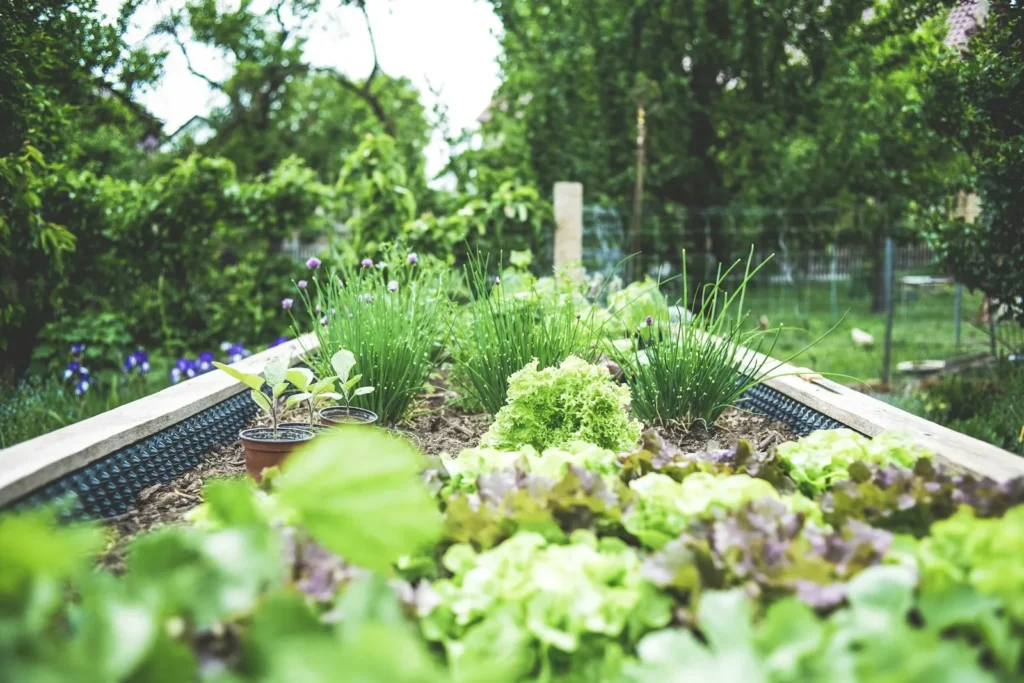
Vegetables are sun-powered. Almost all of them need at least six hours of direct sun a day, so give them the brightest ground you have — even if it means moving the trampoline. You do not need much space: one raised bed of about 1.2 × 3 metres, or a collection of large pots on a sunny patio, will produce a surprising amount of food. If you are redesigning the garden anyway, plan the vegetable patch into the layout from the start, as our garden design ideas recommend.
Step 2: Prepare the Soil (This Is 70% of Success)
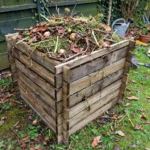
Vegetables are hungry plants growing at speed. Dig in plenty of compost or well-rotted manure before the season — a layer several centimetres thick — to feed the soil and hold moisture. Remove perennial weeds properly (roots and all) before you sow anything, because hoeing around them later is miserable. If your soil is heavy clay or very sandy, raised beds filled with good topsoil and compost sidestep the problem entirely.
Step 3: Start With Crops That Forgive Beginners
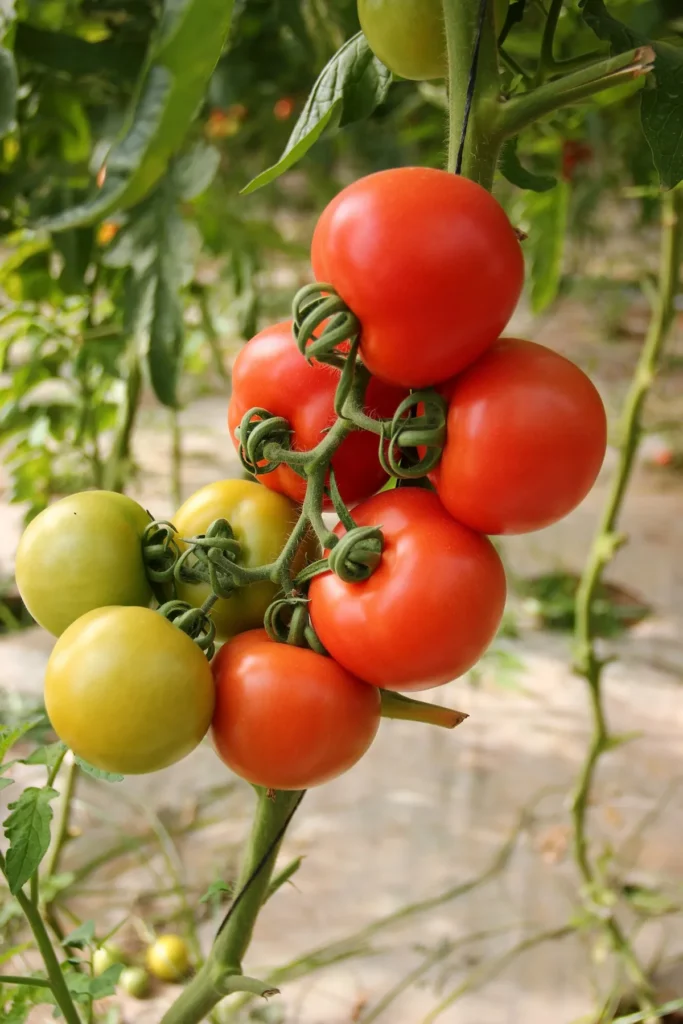
Choose vegetables that are fast, reliable and worth growing: salad leaves and lettuce (ready in weeks, sow a short row every fortnight), radishes (the fastest crop there is), courgettes (one or two plants will supply a family — honestly), runner or French beans (climbers that crop for months), tomatoes (bush varieties in pots are easiest), and herbs like basil, parsley and chives, which are expensive to buy and trivial to grow. Add potatoes in a grow bag if you have a spare corner — digging up your first potatoes feels like finding treasure.
Step 4: Sow and Plant Correctly
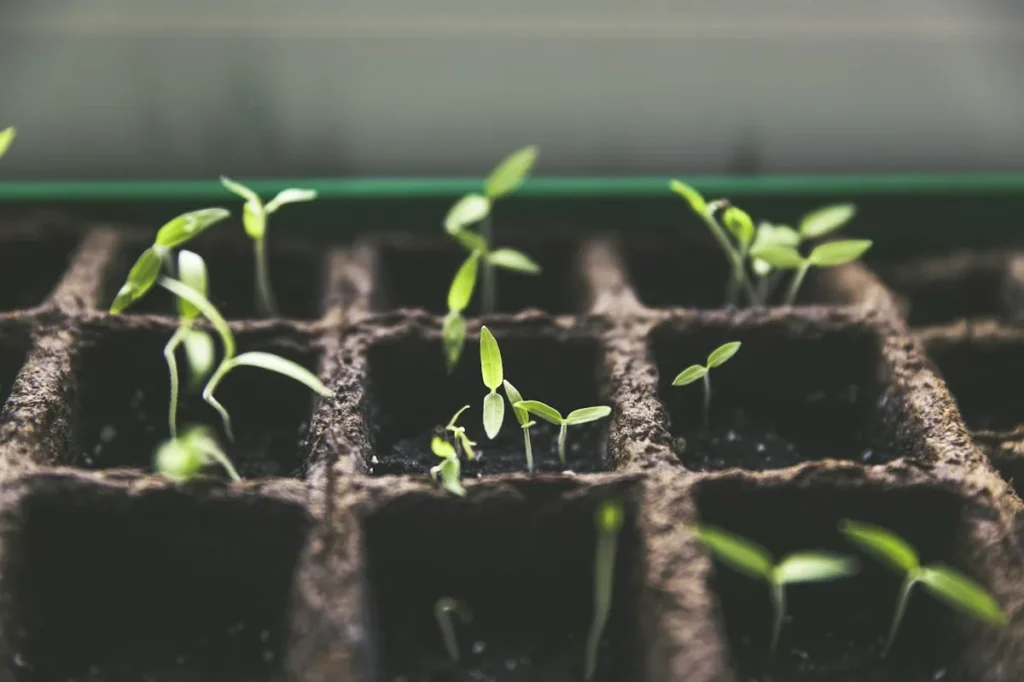
Follow the packet: it tells you the sowing depth (roughly twice the seed’s size), spacing and timing for your climate. Start tender crops — tomatoes, courgettes, beans — indoors or under cover and plant them out only after the last frost. Harden young plants off by putting them outside in the day for a week before planting, or the shock will set them back. Label everything; you will not remember what the identical green shoots are, nobody does.
Step 5: Water, Feed and Keep the Weeds Down
Water deeply at the base of plants, in the morning or evening, rather than little and often over the leaves. A mulch of compost or straw around established plants locks moisture in and smothers weeds. Feed fruiting crops like tomatoes with a liquid feed once the first flowers set. Hoe weeds weekly while they are tiny — ten minutes with a hoe beats an hour of hand-weeding later — and pick crops often: courgettes and beans produce more the more you harvest.
Step 6: Deal With Slugs Honestly
Slugs and snails are the beginner’s real exam. Barriers (copper tape on pots, wool pellets), beer traps, hand-picking at dusk, and encouraging frogs, birds and hedgehogs all help; the most effective habit is growing young plants bigger and stronger before planting out, so they can shrug off nibbles. Accept a few losses as the garden’s tax — even experienced growers pay it.
The Bottom Line
To grow your own vegetables you need sun, decent soil, forgiving crops and ten minutes of attention most days. That is the whole secret. Start this season with salad, beans and one courgette plant, and by summer you will understand why gardeners plan next year’s patch while eating this year’s. For plants that ask even less of you, see our guide to low maintenance plants — and browse our full garden section.