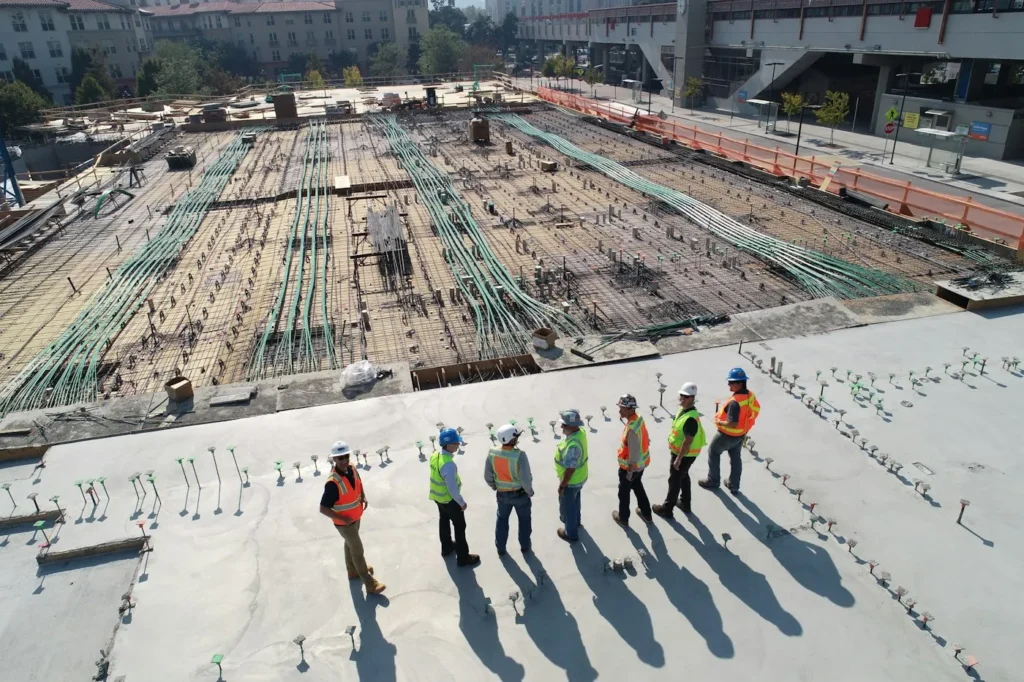
Few numbers shape the housing market like the one nobody watches: how many new homes are actually being built. After a slow period, building activity is picking up again — more sites starting, more cranes on skylines, more show homes opening. Whether you plan to buy a new-build or would not touch one, that number reaches into your street, your rent and your house price. Here is why.
The Shortage Behind Everything
Britain has not built enough homes for decades, and the backlog does not clear itself. Too few homes chasing too many households pushes prices and rents up across the whole market — not just for new-builds. Every completed home absorbs one household’s demand, which is one less bidder for the existing home you are selling, renting or trying to buy. That is the mechanism, and it is why our UK housing market update treats supply as the floor under prices.
Why Building Stalled — and Why It Is Moving Again
Builders build when they are confident they can sell, at prices that cover rising land, labour and materials costs. Higher mortgage rates cooled buyer demand, planning delays raised risk, and skilled labour has been short for years — a combination that slowed starts across the industry. The pick-up now reflects steadier demand, builders working through the backlog of approved sites, and continued political pressure from every direction: housing targets, planning reform debates and first-time buyer support all push the same way. None of it is instant — a home starting today is a family’s move in a year or more — but direction matters.

What More Building Means for Buyers
For buyers of new homes, more building means more choice and better incentives: developers competing for a limited pool of buyers offer deposits contributions, upgrades and part-exchange deals that quietly cut the real price. For buyers of existing homes, the effect is slower but real — every new estate takes pressure off the second-hand market nearby. New-builds also set the standard for energy efficiency that older homes increasingly get judged against, a theme running through our energy saving tips.
What It Means for Prices and Investors
More supply does not crash prices — the shortage is too deep for one good year to fix — but it does cap how fast prices can rise in the places where building is concentrated. For landlords and investors, new estates matter twice: they compete for the same tenants, and they signal which towns are growing. Our guide to property investment for beginners explains how to read a local market before buying into it.
The Bottom Line
House building is the market’s slow steering wheel: nothing changes next month, and everything changes over five years. The current pick-up is genuinely good news for buyers and renters — provided it is sustained. Watch starts and completions in your own area, not just the headlines, and you will understand your local prices better than most. Follow ongoing coverage in our news section.