Few housing arguments run longer than city vs countryside. The pandemic years triggered a famous rush for space and gardens; then the cities fought back as offices, restaurants and nightlife refilled. Now that working patterns have settled into something permanent, a clearer picture is emerging of where buyers are actually moving — and it is more interesting than either extreme.
The Countryside Rush, Revisited
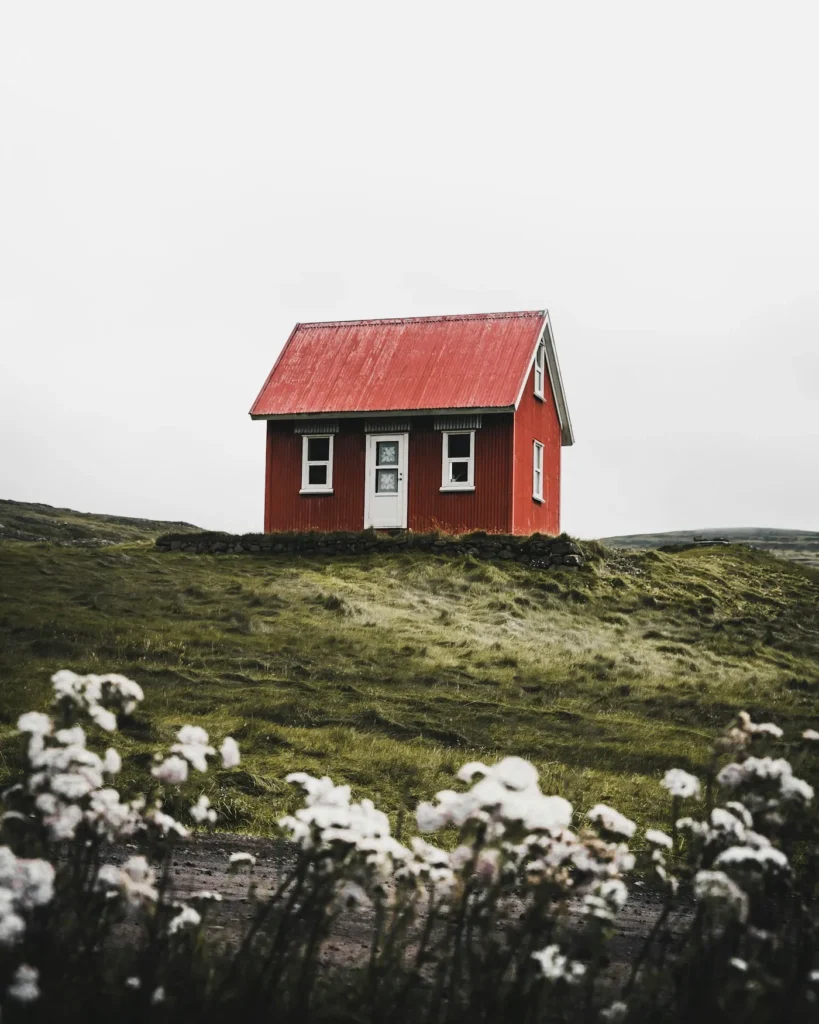
The great escape was real: buyers left cities in unusual numbers, village prices jumped, and homes with gardens and studies sold at a premium. But the rush carried its own corrections. Some movers discovered that a beautiful village is a long way from everything, in winter, in the rain, with one bus a day. Rural price growth cooled as the exceptional demand passed, and the homes that held their gains were the ones with the full package: broadband, a station within reach, and a town nearby — countryside living with an escape route.
The City Fights Back
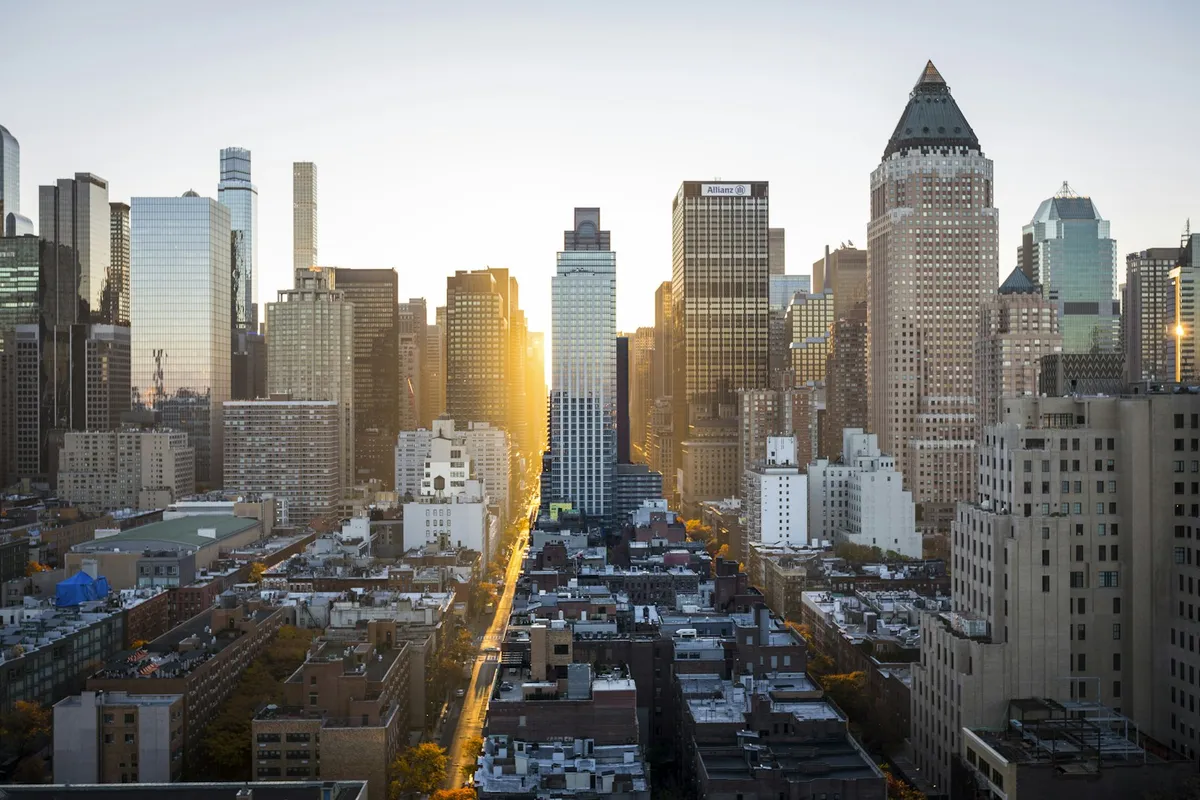
Cities, meanwhile, remembered their advantages. Younger buyers — especially the first-time buyers now returning — have led the way back to urban flats and terraces: jobs, friends, culture and a commute measured in minutes. City-centre flats, written off a few years ago, are selling to buyers who value a life within walking distance over a spare room forty miles away. Urban prices have firmed accordingly, particularly for homes near stations and universities.
The Winner: The In-Between Places
The strongest performers of all are neither metropolis nor remote village but the in-between: market towns, suburbs with real high streets, and villages on railway lines. Hybrid working made the maths precise — a commute done twice a week can be longer, so buyers trade distance for space, but only up to the point the journey stays bearable. The result is a ripple pattern around every city, and it is visible in our wider UK housing market update: location quality now beats location category.
What Buyers Want in Each
The wish lists have converged more than the headlines suggest. City buyers want outside space — a balcony or shared garden now commands a real premium — plus a workable corner for a desk. Countryside buyers want connectivity and a proper garden they will actually use; our garden design ideas are full of the layouts they dream about. In both places, energy costs and broadband speed have joined schools and stations as the questions asked at every viewing.

The Bottom Line
City vs countryside has quietly become city AND countryside — buyers choosing the blend that fits a hybrid life. If you are selling, sell the blend your home offers: space with a station, quiet with broadband, a garden with a town at the end of the road. That is the formula the market is paying for. Follow the trends as they develop in our news section.