Eco-friendly homes have quietly become some of the most fought-over properties on the market. A few years ago, solar panels and heat pumps were specialist interests, mentioned in a whisper at the end of a listing. In 2026, they are in the headline — and buyers are proving, with their offers, that green features are worth real money.
The reason is not only concern for the planet, although that plays a part. It is the monthly bill. A home that costs hundreds of pounds less each year to heat, light and run is simply a better financial proposition than an identical home that leaks warmth through its roof. This article looks at the green features buyers value most, what they actually save, and how to tell a genuinely efficient home from one that is only painted green.
The Green Features Buyers Value Most
Insulation that actually works
It is not glamorous, but insulation is the foundation of every efficient home. Loft insulation, cavity or solid wall insulation, and draught-proofing decide how much of the heat you pay for stays inside. Buyers have learned to ask about it because no smart gadget can compensate for a home that loses heat faster than the boiler can replace it.
An A–C energy rating
The Energy Performance Certificate has become one of the first documents serious buyers read. Homes rated A to C are marketed proudly; homes rated E or below now attract harder questions and, increasingly, lower offers to cover the cost of improving them. The rating has become a price factor in its own right.
Solar panels and battery storage
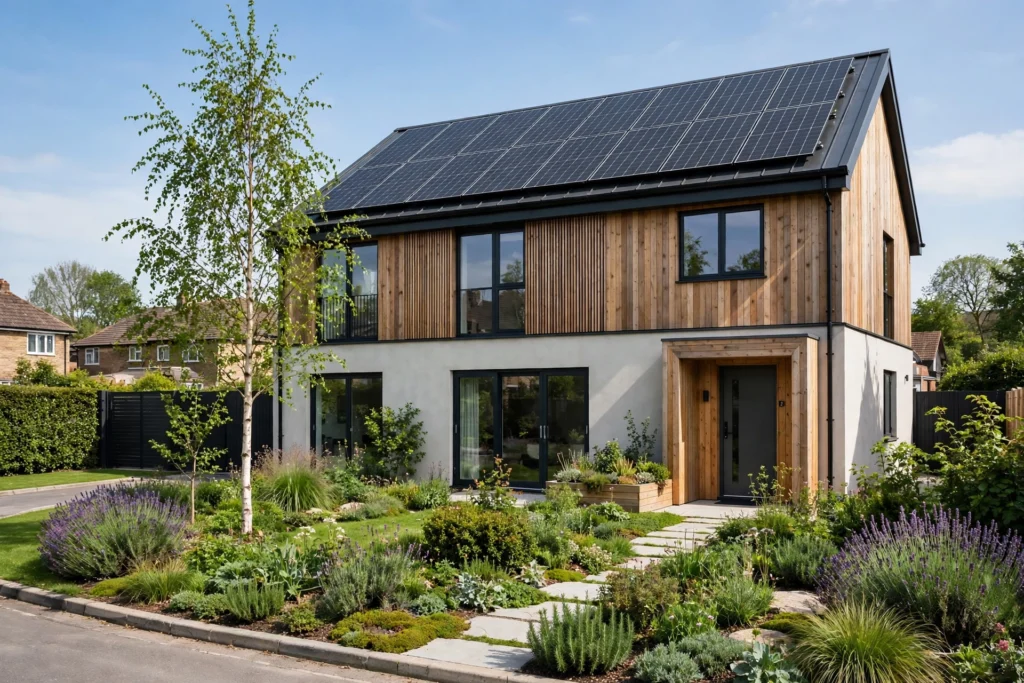
Rooftop solar has moved from early-adopter territory to a mainstream selling point, especially when paired with a battery that stores daytime energy for the evening. Sellers who can show a year of generation figures and reduced bills have a powerful story: the house partly pays for its own electricity.
Efficient heating — heat pumps and modern boilers
Air-source heat pumps are appearing in more new and renovated homes each year, and buyers are becoming comfortable with them. Where a heat pump is not present, a modern, efficient boiler with smart controls is the next best thing — and either way, buyers now ask what a home costs to heat, not just what it costs to buy.
What Green Features Actually Save
The savings stack up in layers. Good insulation cuts the heating bill every single day of winter. Solar panels cut the electricity bill and can earn money for energy exported back to the grid. Efficient appliances and LED lighting trim the rest. None of these savings is dramatic alone; together, over the years a family typically stays in a home, they add up to thousands of pounds.
There is also a protective effect. When energy prices rise — as they have several times this decade — the efficient home’s bills rise less. Buyers describe this as future-proofing, and it is a large part of why eco homes attract competition even in slower markets.
Greenwashing: How to Spot a Home That Is Only Painted Green
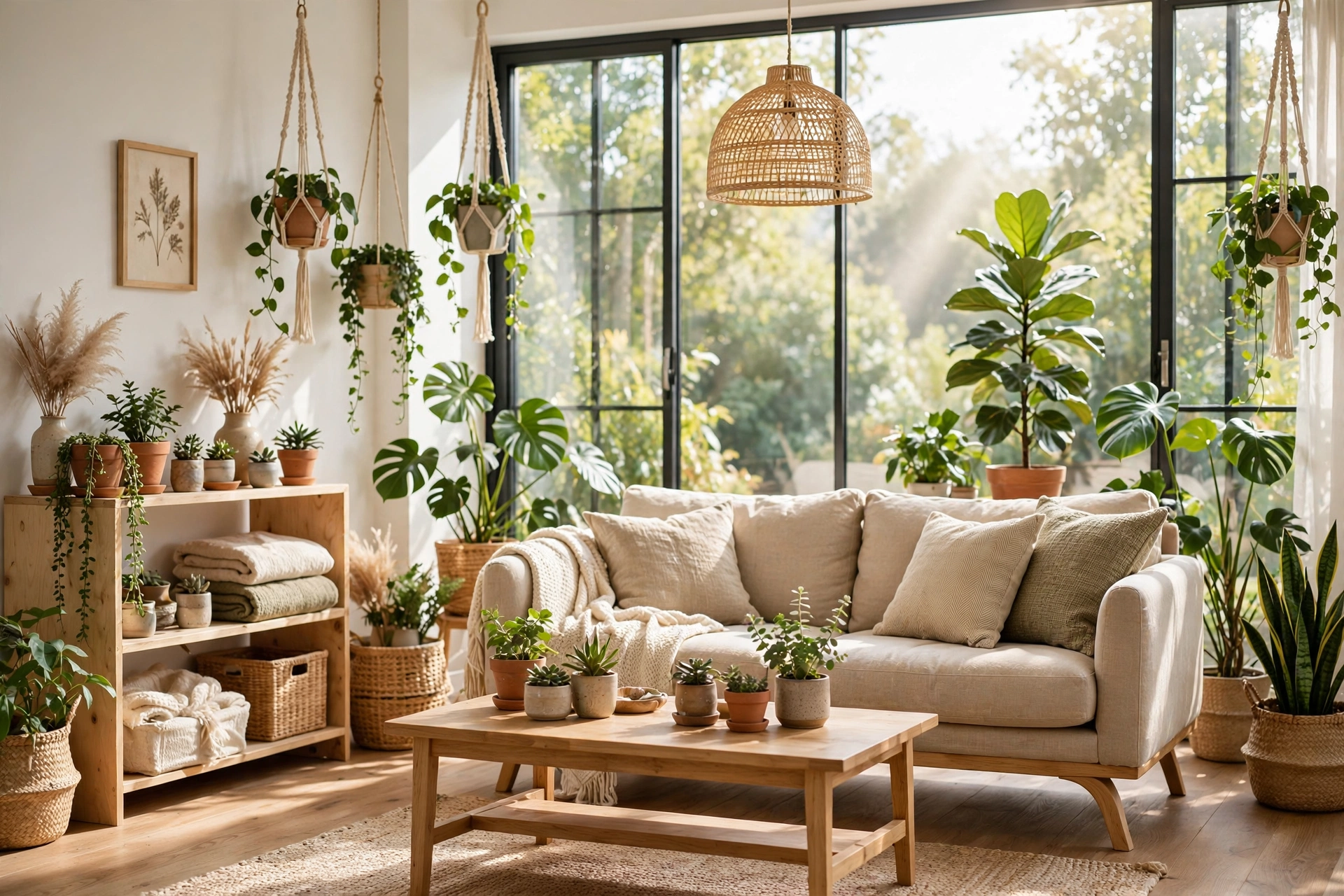
Not every ‘eco’ claim in a listing means much. A bamboo floor and a wall of houseplants do not make a home efficient. Buyers who want the real thing check the evidence:
- Read the EPC, not the adjectives. The certificate’s rating and its list of recommended improvements tell you more than any description.
- Ask for bills. A seller of a genuinely efficient home can usually show a year of modest energy costs.
- Check the age of the boiler and windows. Old single glazing and a fifteen-year-old boiler will outrank any amount of eco styling.
- Look at the roof. If solar panels are fitted, ask who owns them and what the generation and export payments have been.
What This Means If You Are Selling
You do not need a full eco-renovation to benefit from this trend. Honest, visible improvements — topped-up loft insulation, draught-proofing, a serviced modern boiler, LED lighting throughout — strengthen your listing and your EPC story. If you have solar panels or a heat pump, put them in the headline, include the paperwork, and give your agent the running-cost figures to share at viewings. Buyers cannot pay more for benefits they do not know about.
The Bottom Line
Eco-friendly homes are winning buyers because they are cheaper to run, more comfortable to live in, and better protected against future price rises. Expect the green premium to keep growing as energy awareness becomes a permanent part of how homes are judged. The warmest house on the street is becoming the most valuable one, too.
Frequently Asked Questions
Do eco-friendly homes sell for more?
Often, yes. Efficient homes with strong energy ratings regularly attract stronger offers than similar inefficient homes, because buyers are paying for years of lower running costs as well as the property itself.
Which green upgrade is best value before selling?
Insulation. Topping up loft insulation and fixing draughts is relatively inexpensive, improves comfort immediately, and can improve how your home presents on its energy certificate.
Are heat pumps worth it for buyers?
In a well-insulated home, a heat pump can provide heating very efficiently and pair well with solar panels. In a poorly insulated home, insulation should usually come first.
How can I check a home’s energy rating?
Every home sold or rented must have an Energy Performance Certificate. You can search for a property’s certificate free on the government’s EPC register using its postcode and address.