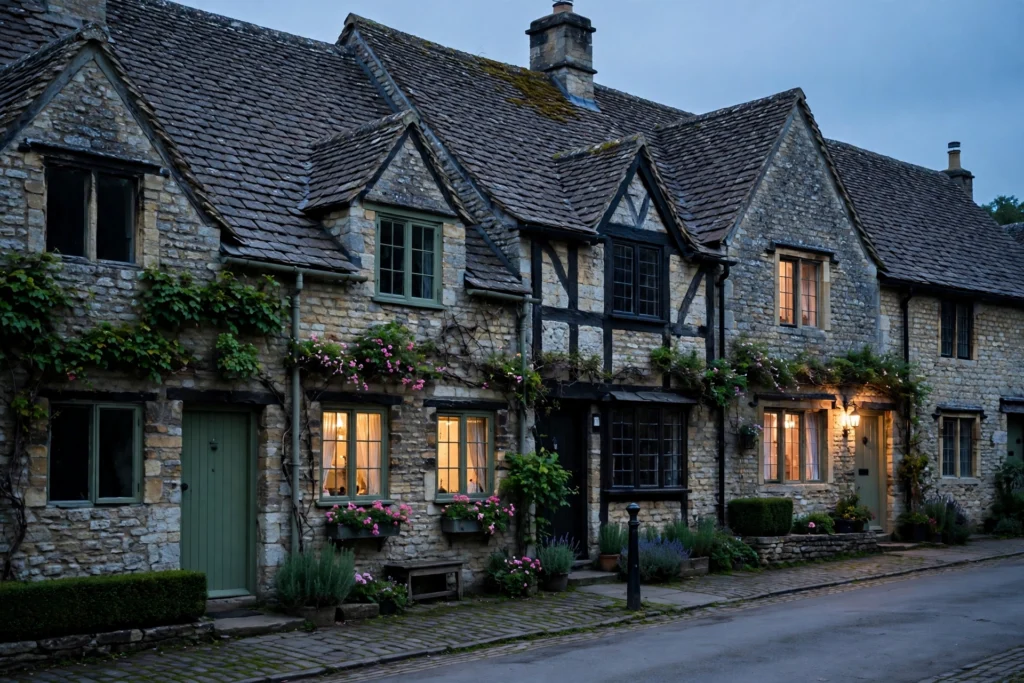
Second homes council tax is suddenly one of the biggest bills a property owner can face. Across England, councils can now charge owners of second homes double the normal council tax — and owners of homes left empty for years can face triple or even quadruple bills. The policy is deliberate: councils say too many homes sit empty while local families cannot find anywhere to live. For owners, though, the new charges can turn a beloved holiday cottage or an inherited house into a serious annual cost. Here is how the premiums work, what you actually pay, and what you can legally do about it.
Why Premiums Are Rising
The change came through the Levelling-up and Regeneration Act, which gave English councils the power to charge a premium of up to 100% on second homes — meaning a 200% bill in total — from April 2025. For long-term empty homes, the existing premium system was already in place: 100% extra after two years empty, 200% after five years, and 300% after ten years. The politics are easy to understand. In coastal towns and national parks, high numbers of second homes are blamed for pricing out local workers, closing schools, and hollowing out villages in winter. Whether the premiums actually fix that is debated, but the direction of travel is clear: the charges are rising, and more councils are adopting them every year. Scotland and Wales have gone further in some areas, with Wales allowing premiums of up to 300% on second homes.
Second Home or Empty Home? The Difference Matters
The two charges are different, and confusing them is expensive. A second home is a furnished property that is not anyone’s main home — your holiday cottage, for example. Its premium is up to 100% extra, decided by each council. An empty home is unfurnished and unoccupied, and its premium depends on how long it has been empty: the longer the emptiness, the higher the multiplier. A home that is being renovated can still count as empty unless you claim the right exemption, and a home left empty because the owner has died or gone into care is usually exempt for a period. The key point: furnishing a home does not automatically make it a second home in the council’s eyes, and leaving furniture in an empty house does not avoid the empty-home premium. Councils check, and they share data with utilities and the Land Registry.
What Owners Actually Pay

Take a Band D property with a normal bill of £2,000 a year. As a second home with a 100% premium, the bill becomes £4,000. As a home empty for over ten years, it could reach £8,000. These are not hypothetical figures — they are the bills landing on doormats now. Some councils have applied the second-home premium to every second home in their area; others have targeted specific parishes. Owners should check their own council’s policy rather than assuming a neighbour’s bill applies to them. And note that the premium is charged on top of the normal bill, so any annual council tax rise increases the premium too — a 5% rise on a doubled bill costs twice as much in cash terms.
What Owners Can Legitimately Do
There are legal ways to reduce or remove the premium. The most straightforward is to let the property: a home that is let as someone’s main residence is not a second home, and a holiday let that meets the business-rates tests (available to let for at least 140 days a year and actually let for at least 70) moves to business rates instead of council tax. Selling is the obvious exit, and the current landlords selling up trend shows many owners are choosing it. Other options include making the property your main home, claiming an exemption during probate or renovation, or — for inherited homes — selling within the exemption window. What does not work is pretending: claiming a second home is your main residence when it is not is council tax fraud, and councils do prosecute. If you are unsure of your status, ask the council in writing before the bill arrives.
What It Means for Local Communities
Supporters say premiums push empty homes back into use and raise money for local services. Critics say they punish ordinary families who inherited a cottage, and that the money raised is small compared with the housing shortage. The truth is mixed: some councils report empty homes coming back onto the market, while others admit the revenue is modest. For buyers, the premiums are already changing prices in second-home hotspots — homes that were bought as investments now carry a running cost that buyers factor into offers. And the wider rental market feels the knock-on effect, as some former holiday homes become long-term lets instead. Whatever your view, the premiums are now a permanent part of owning a second property in the UK, and budgeting for them is no longer optional.
Frequently Asked Questions
Can my council charge double council tax on my second home?
Yes, if your council has adopted the second-home premium (most English councils now have). The maximum is 100% extra, making a 200% bill. Check your council’s website for its exact policy.
Does the empty-home premium apply while I renovate?
It can, unless your council grants an exemption for properties undergoing major repair. Apply for the exemption in writing and keep evidence of the work — do not assume it is automatic.
Can I avoid the premium by letting the property short-term?
Only if the let meets the business-rates tests: available to let for at least 140 days a year and actually let for at least 70. Occasional short lets do not qualify, and the property stays on council tax.
What happens if I just do not pay the premium?
The same as any unpaid council tax: reminders, a court summons, a liability order, and ultimately bailiff action. The premium is part of the legal bill, not an optional extra.