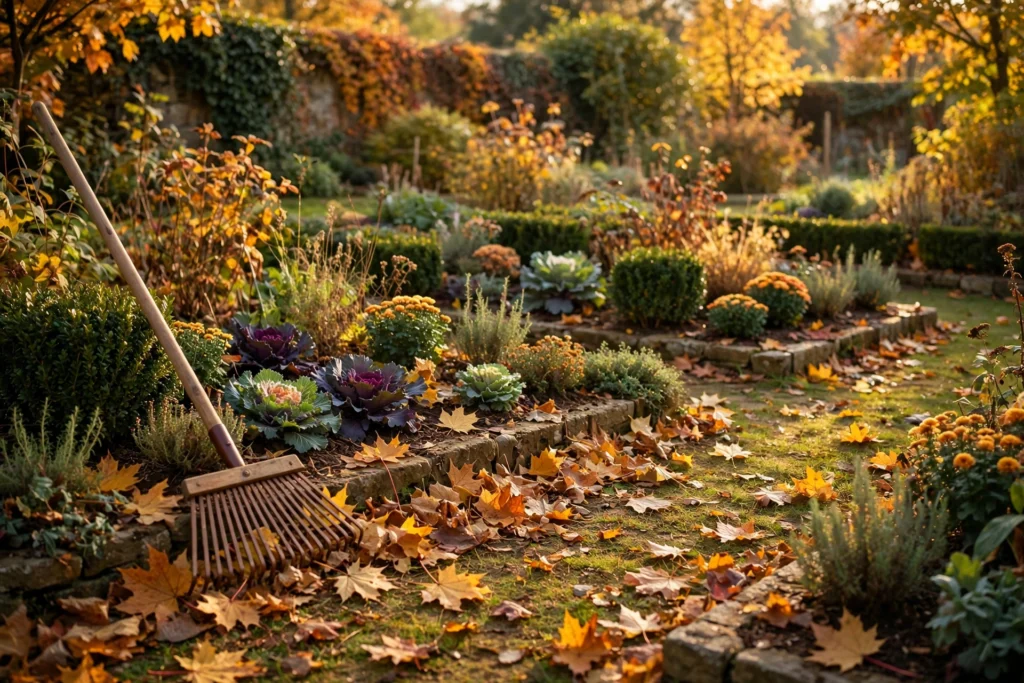
Autumn garden jobs have a quiet superpower: almost everything you do now is multiplied by spring. The soil is still warm from summer, the rain does your watering for you, roots grow while tops rest — and the gardener who works through October and November meets March with a garden already halfway to its best. Leave it all until spring instead, and you will be doing the same jobs in a rush, in worse weather, alongside everything else the new season demands.
Here are the autumn jobs that genuinely matter, in rough order of urgency: clearing and protecting, planting for spring, feeding the soil, rescuing the lawn, and tucking tender things away from the frost.
Clear, Cut Back — But Leave Some Wildness
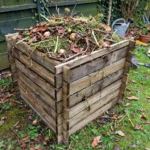
Start with the annual clear-headed tidy. Lift and store (or empty) the tender summer plants that frost will kill anyway, cut back finished perennials — or leave the attractive seedheads standing, because birds feed on them and frosted stems look beautiful; there is no single right answer, only a garden that looks intentional either way. Clear fallen leaves off lawns and paths (they smother grass and make paths slippery) but pile them somewhere useful: leaves are an asset, not rubbish — bagged in bin liners with a few holes, or heaped in a wire cage, they rot down over a year into leaf mould, the finest soil improver there is. Empty and scrub pots, clean the greenhouse glass if you have one (winter light is precious), and check fences, gates and shed roofs before winter storms test them for you.
Plant Now: Bulbs, Garlic and Bare-Root Bargains
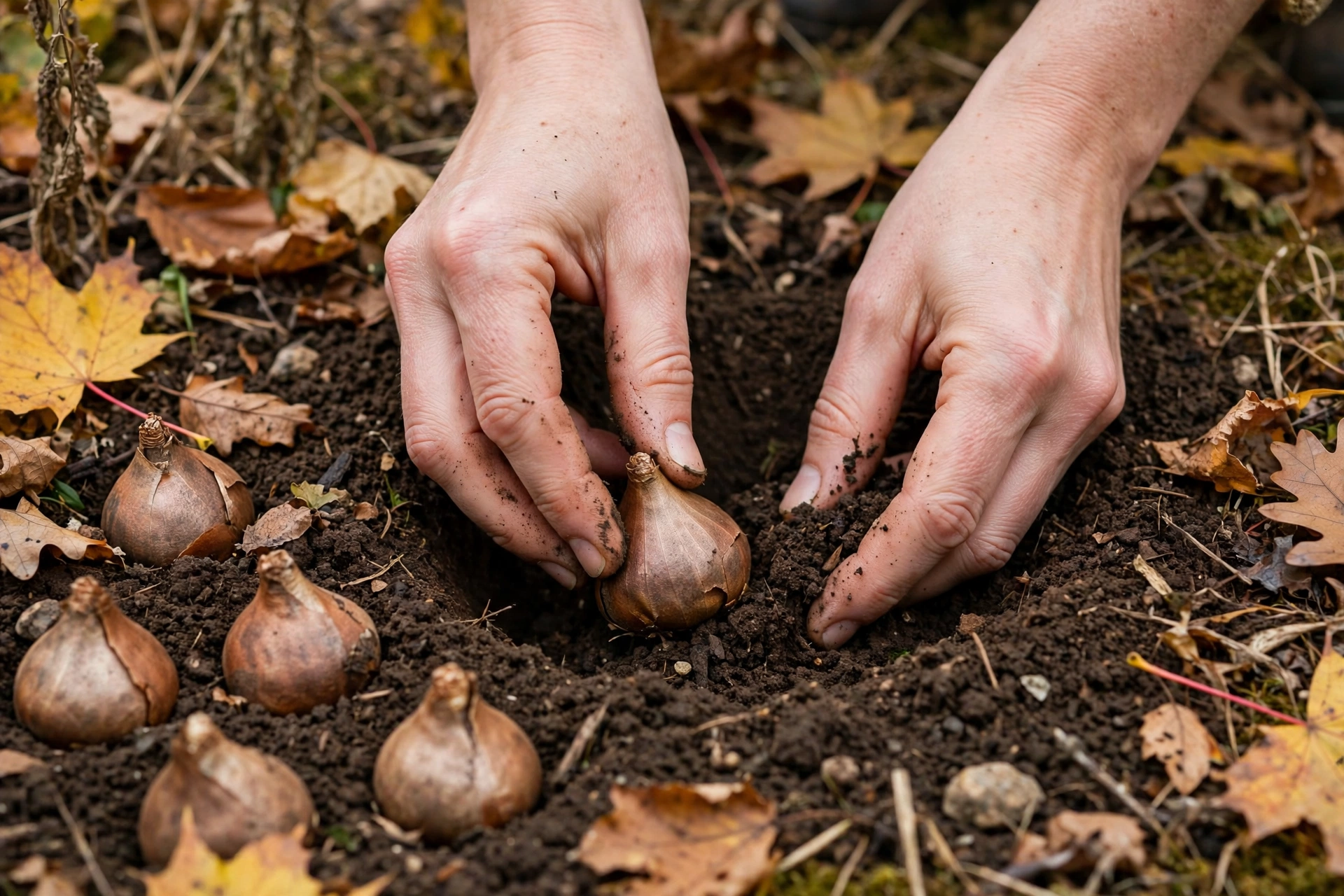
Autumn is planting season proper. Spring bulbs go in now — daffodils and crocuses earliest, tulips best left until November when colder soil reduces disease risk — planted pointy-end up at two to three times their own depth, in clusters rather than regiments. Garlic and autumn onion sets planted now root over winter and crop ahead of spring-sown rivals. And this is bare-root season: roses, hedging, fruit trees and bushes bought bare-root between autumn and early spring cost a fraction of their potted price and establish superbly in warm, moist autumn soil. If you have ever fancied a hedge, a fruit tree or a rose bed, this is the economical moment to start it. Hardy annuals sown now (sweet peas in pots in a sheltered spot, for instance) will flower ahead of spring sowings too.
Care for the Lawn While It Is Still Growing
Autumn is the lawn’s repair window and, honestly, a better time for lawn work than spring. Scarify out thatch and moss, aerate compacted areas with a garden fork, overseed bare patches (seed germinates well in warm soil and autumn rain), and apply an autumn lawn feed — high in potassium, low in nitrogen — which hardens the grass for winter rather than pushing soft growth. Raise the mower height for the last cuts and keep leaves raked off weekly. A lawn that goes into winter fed, open and evenly green comes out of it the same way; a neglected one comes out as a moss farm with grass aspirations.
Feed the Soil: Mulch Everything
If you do one job from this list, make it this one. Spread a generous layer of mulch — garden compost, well-rotted manure, leaf mould — over beds and borders once you have cleared them, and fork a share into the vegetable patch. Over winter the worms pull it down for you, the soil structure improves measurably, weeds are suppressed, and moisture is locked in for the spring ahead. Autumn is also when your compost heap earns a tidy: turn it, add the season’s clearings in layers with some shredded paper or cardboard, and start a fresh bin with the leaves. Bare soil is a wasted winter: anywhere you are not planting, a mulch or a sowing of green manure (winter rye or phacelia on vegetable beds) protects and improves the ground instead of leaving it to the rain’s mercy.
Protect Tender Plants and Store the Kit
Finally, the insurance jobs. Move tender plants in pots to a sheltered wall, greenhouse or indoors before the first hard frost; wrap the pots of anything borderline that stays out (roots in pots freeze far harder than roots in the ground) and fleece the crowns of tender perennials on cold nights. Lift and store dahlia tubers and gladioli corms once frost blackens their tops, if your winters are wet and cold. Drain and disconnect hosepipes, lag outdoor taps, clean and oil tools before storing them (ten minutes now saves a seized, rusted kit in March), and sharpen the mower blade ready for spring. Then — the final and best job of the season — order the seed catalogues, make a cup of tea, and plan next year’s garden from the warm side of the window.
The Bottom Line
Autumn garden jobs are spring success bought at autumn prices: tidy and clear, plant bulbs, garlic and bare-root bargains into warm soil, repair the lawn, mulch every bed you own, and protect tender plants and tools from the frost. Do them now, and when spring arrives you will not be catching up — you will be ahead.
Frequently Asked Questions
When should I plant spring bulbs?
Daffodils, crocuses and most bulbs go in during autumn, ideally September to November. Tulips are the exception — plant them in November when the soil is colder, which reduces the risk of tulip fire disease. Plant bulbs at two to three times their own depth, pointy end up.
Should I cut back all my perennials in autumn?
No. Cut back anything diseased, floppy or in the way, but leave plants with attractive seedheads and structure (grasses, sedums, echinacea) standing over winter — they look good, shelter insects and feed birds. Cut them down in early spring as new growth starts.
What should I do with fallen leaves?
Rake them off lawns and paths, then turn them into leaf mould: pack them damp into bin bags with a few holes or a wire cage and leave for a year or two. The result is a superb soil conditioner. Avoid thick leaf layers directly on crowns of plants, where they can rot them.
Is it too late to sow a new lawn in autumn?
Early to mid-autumn is actually one of the best times: the soil is warm, rain is reliable and weed competition is low. Later in the season, overseeding and repairs still work, but a whole new lawn is better sown by early autumn or left until spring.