Retirement housing is quietly becoming one of the biggest stories in the UK property market. A growing number of over-60s are choosing to sell the family home and move somewhere smaller — not because they have to, but because the big house has stopped serving them. The stairs are a chore, the garden is a second job, the heating bill is eye-watering, and rooms sit empty for most of the year. Downsizing, once a reluctant last resort, is now a deliberate lifestyle choice — and it is reshaping what gets built, what gets sold, and who can buy what.
The numbers behind the shift are easy to understand. Millions of older homeowners live in homes with two or more spare bedrooms, while younger families struggle to find space. Every downsizer who sells frees up exactly the kind of home a growing family needs, and every downsizer who buys creates demand for the smaller, accessible homes developers have historically underbuilt. That is why retirement housing matters to everyone, not just to the people moving.
Why People Downsize — and Why Now
The triggers are familiar, but they are arriving together. Health and mobility change what a home needs to be: stairs, baths, and steep gardens become real obstacles. Running costs have risen sharply — heating a four-bedroom house for two people is hard to justify on a pension. And there is a financial logic: releasing equity from a large home can fund retirement, help children with deposits, and cut the monthly bills all at once. What has changed is the attitude. Today’s downsizers are not retreating; they are actively choosing less housework, lower costs, and a home near family, friends, or the coast — on their own timetable, while they are fit enough to enjoy the move.
The Options: Bungalows, Flats and Retirement Villages
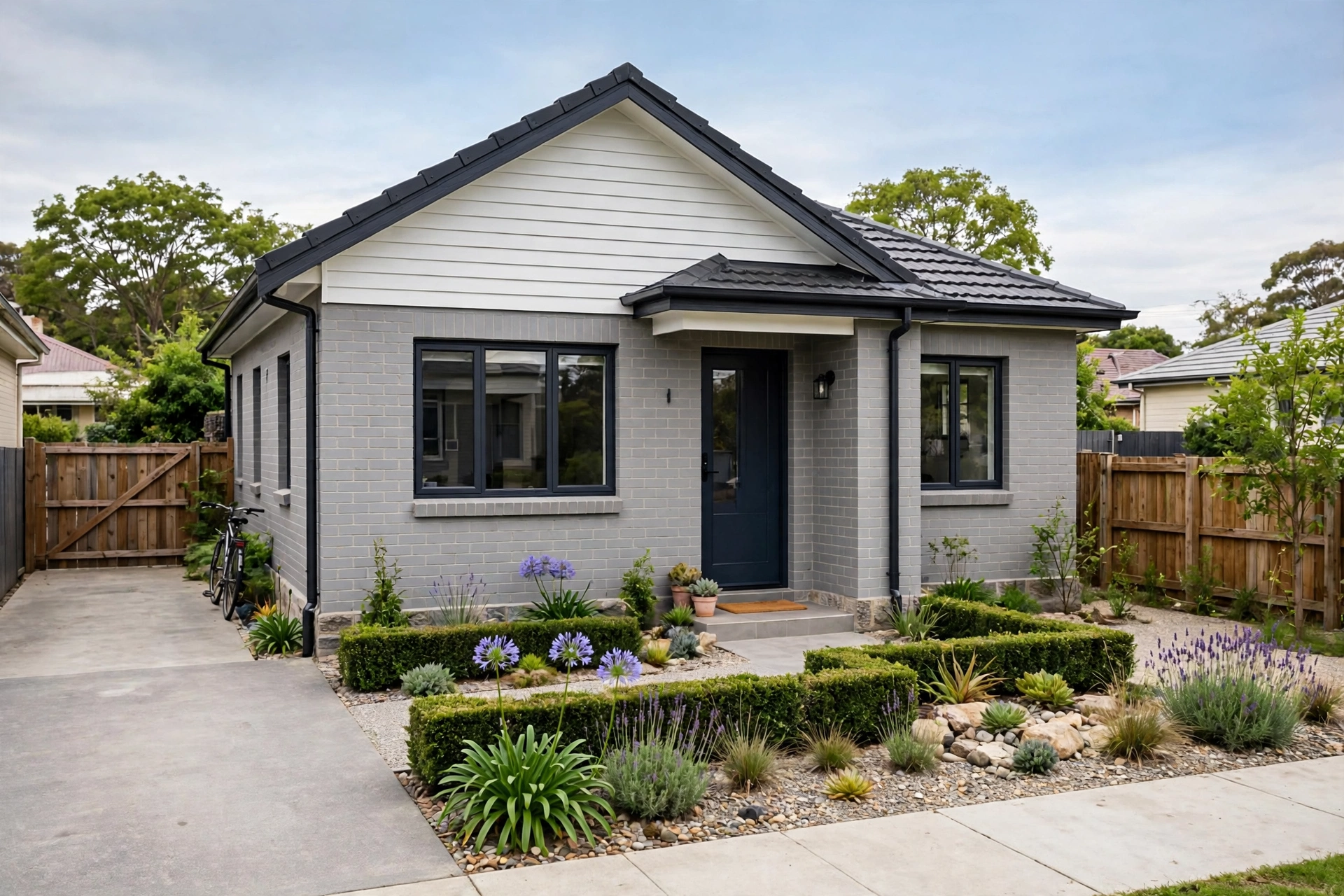
The classic choice is the bungalow: single-storey living, a manageable garden, and no stairs — but bungalows are in short supply and command a premium, because everyone wants them and few are built. Apartments offer lift access, security, and far lower maintenance, though service charges need careful checking. Retirement villages and housing-with-care schemes are the fastest-growing option: independent homes with communal facilities, social activities, and care available if it is ever needed — a model that suits people who want community without giving up independence. A fourth route is staying put but adapting: stairlifts, walk-in showers, and a garden redesign can make the family home work for years longer, and for some that is the right call.
What Downsizing Really Costs
The finances deserve honest arithmetic. Selling costs — estate agent fees, conveyancing, removals — can run into five figures, and stamp duty applies on the purchase (though the new home usually costs less, so the duty is smaller). Retirement village properties often carry event fees or exit fees payable when the property is resold, which can be a significant percentage — read the small print before signing anything. On the other side of the ledger: lower energy bills, lower council tax band in many cases, less maintenance, and released equity that can be invested or gifted. The move only pays if the numbers are done properly, ideally with advice from a financial adviser who understands later-life lending and benefits — releasing equity can affect entitlement to means-tested benefits, which is a trap worth checking before you commit.
What It Means for the Wider Market
When older homeowners move, the housing ladder unblocks from the top. A downsizer selling a four-bedroom house typically sells to a family trading up, who in turn sells a three-bedroom home to a first-time buyer. One move can set off a chain of three or four. That is why policymakers and developers are paying attention: building more accessible, attractive homes for older buyers is not a niche — it is one of the most effective ways to free up family housing without building on green fields. The constraint is supply. Until more bungalows, retirement apartments and village-style schemes are built in the places older people actually want to live, demand will keep outrunning choice, and prices for the best retirement homes will keep rising.
The Bottom Line
Retirement housing is no longer a sad footnote to the property market — it is a mainstream choice, driven by lifestyle, costs and common sense. Done well, downsizing trades unused space for lower bills, easier living and money released for the things that matter. Done badly — rushed, or into a scheme with hidden fees — it can be expensive to undo. The rule is simple: start early, visit schemes in person, read every fee schedule, and take advice before you sign. The best time to downsize is while you can choose freely, not when a crisis chooses for you.
Frequently Asked Questions
At what age do most people downsize?
There is no set age, but most downsizers move in their late 60s to mid-70s — old enough that the big house has become a burden, young enough to enjoy the new one and to manage the move itself. Moving earlier, while you are fit and choosy, usually works better than waiting for health to force the decision.
Is downsizing financially worth it?
Often, but not automatically. Factor in selling costs, stamp duty on the new home, any retirement-village event or exit fees, and the effect on benefits. Compare the total against the savings in bills and maintenance and the equity released — and take independent financial advice before committing.
What is the difference between a retirement village and sheltered housing?
Retirement villages are lifestyle communities with independent homes plus shared facilities and optional care; sheltered housing is usually simpler flats with a warden or alarm service. Villages offer more social life and amenities but typically cost more and may include event fees.
Do I have to sell my home to move into retirement housing?
Not always. Some retirement properties can be rented, and some people keep the family home and let it out. But most downsizers sell, because releasing the equity is a large part of the point — and because owning two properties brings its own costs and complications.