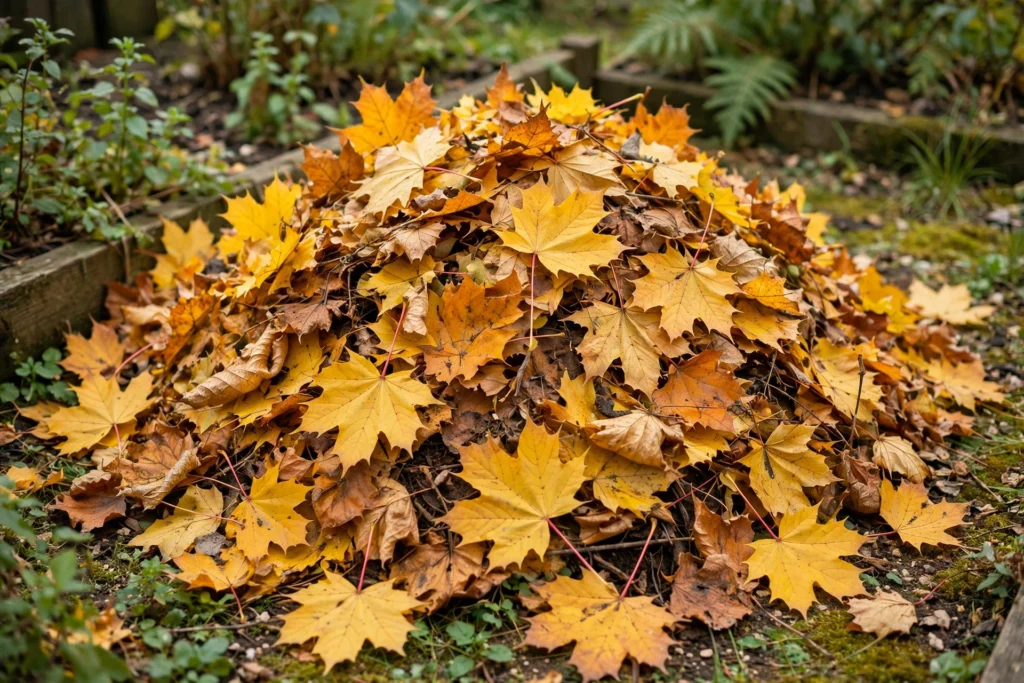
How to make leaf mould is the easiest, cheapest win in gardening — and the one most gardeners ignore while paying for bags of compost. Every autumn, trees drop the raw material on your lawn for free. Left alone in a pile or a bag, those leaves rot down into leaf mould: dark, crumbly, sweet-smelling stuff that improves soil, mulches beds, and grows healthier plants than almost anything you can buy. No turning, no smell, no skill required — just patience.
What Leaf Mould Is (and Is Not)
Leaf mould is not compost. Compost is made by bacteria breaking down mixed green and brown waste quickly, with heat. Leaf mould is made by fungi breaking down leaves slowly, with almost no heat — which is why it never smells and never needs turning. The result is different too: leaf mould is lower in nutrients than compost, but far better as a soil conditioner. It holds water like a sponge, opens up heavy clay, helps sandy soil retain moisture, and feeds the soil life that plants depend on. Think of compost as food and leaf mould as the soil’s structure — gardens need both, and leaf mould is the one you get for nothing.
The Bin Method: Best for Big Gardens
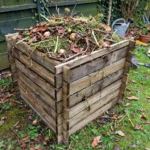
If you have lots of leaves, build a simple bin: four posts with chicken wire or wooden slats, about a metre square, in a shady corner where it will not dry out. Fill it with leaves, wet them thoroughly, and tread them down — wet, compressed leaves rot far faster than dry, fluffy ones. Cover the top with old carpet or a board to keep moisture in. Then leave it. After a year you will have rough leaf mould, good for mulching; after two years it will be fine, dark and crumbly, good for seed compost mixes and potting. Shredding leaves with a mower first speeds everything up, because smaller pieces rot faster. Do not add anything else: grass, kitchen waste and manure turn a leaf pile into a compost heap, which is a different process and a different product.
The Bag Method: Best for Small Gardens
No space for a bin? Use bin bags. Fill black bags with wet leaves, punch a few holes for air, tie loosely, and stack them somewhere out of sight. The same rule applies: wet them well before bagging, and check occasionally that they have not dried out — dry leaves simply stop rotting. Bags take the same year or two, but they cost nothing and fit behind a shed. Avoid evergreen leaves (pine needles, holly, laurel) in the main pile: they rot very slowly and are acidic. A small separate pile for them is fine, used eventually for acid-loving plants. Walnut leaves contain a growth inhibitor and are best left out or composted separately. Everything else — oak, beech, maple, birch, fruit tree leaves — is excellent, with beech and oak among the very best.
How to Use Leaf Mould
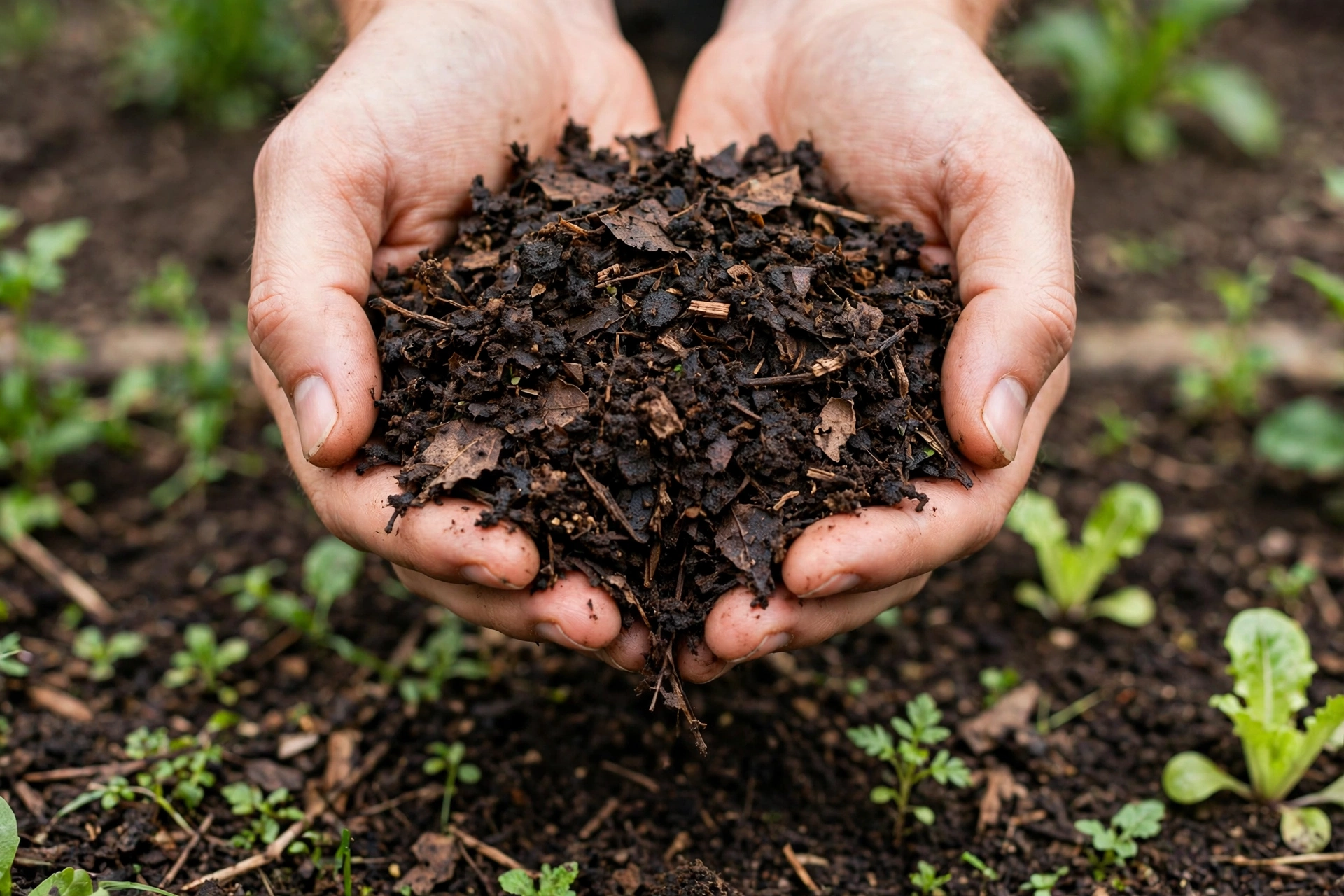
One-year-old leaf mould, still a bit recognisable as leaves, is a superb mulch: spread it 5–8cm thick around shrubs, roses and perennials in autumn, and it suppresses weeds, keeps roots warm, and feeds worms all winter. Two-year-old leaf mould, fine and dark, can be mixed into potting compost (roughly half and half with compost for seeds and cuttings), dug into beds before planting, or spread as a top dressing on lawns. It is especially valuable for the autumn jobs already on your list: mulch around the plants you put in during the autumn garden jobs season, and dress the beds where you grow garlic and winter vegetables — garlic in particular loves the loose, moisture-holding soil leaf mould creates. Start this autumn, and by next year your garden will be running on its own leaves.
Frequently Asked Questions
How long does leaf mould take?
Roughly one year for usable mulch, two years for fine, compost-grade mould. Shredding leaves and keeping them wet speeds it up; dry leaves in an open pile can take three years.
Does leaf mould smell?
No. Properly made leaf mould smells earthy and sweet, like a woodland floor. A bad smell means something else got in — usually grass or kitchen waste — and it has turned into compost instead.
Can I use leaves from the street or a neighbour?
Yes, if you are sure they have not been sprayed. Council street leaves can carry litter and pollutants, so garden leaves are cleaner — but a neighbour’s clean leaves are a gift worth accepting.
Is leaf mould acidic?
Slightly at first, but finished leaf mould is near neutral and safe for nearly all plants. Keep pine and holly leaves separate if you grow acid-lovers and want a truly acidic batch.