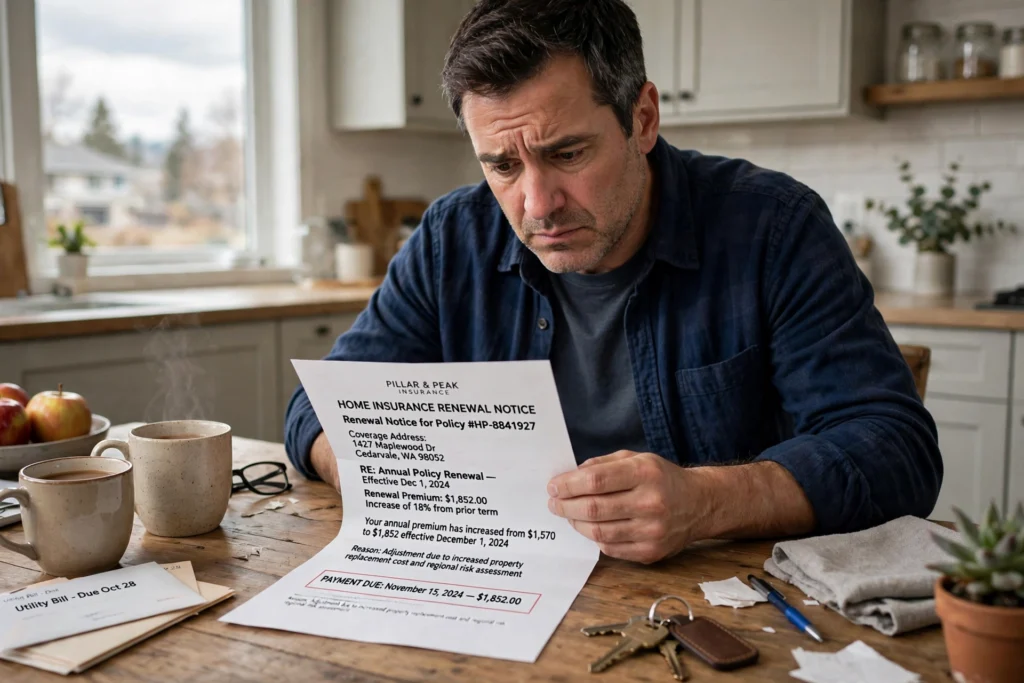
If your renewal has jumped again, you are not imagining it: home insurance costs have been climbing for several years, and the reasons are specific rather than mysterious. Insurers are paying more to rebuild damaged homes, more often, in worse weather — and those costs land in everyone’s premium. Understanding what actually drives the price is the first step to cutting it legitimately, because the reliable savings come from accurate cover, timing and security, not from under-insuring the biggest asset you own. This guide explains what you are buying, why premiums are rising, and the changes that genuinely bring them down.
Buildings, Contents and the Rebuild Figure
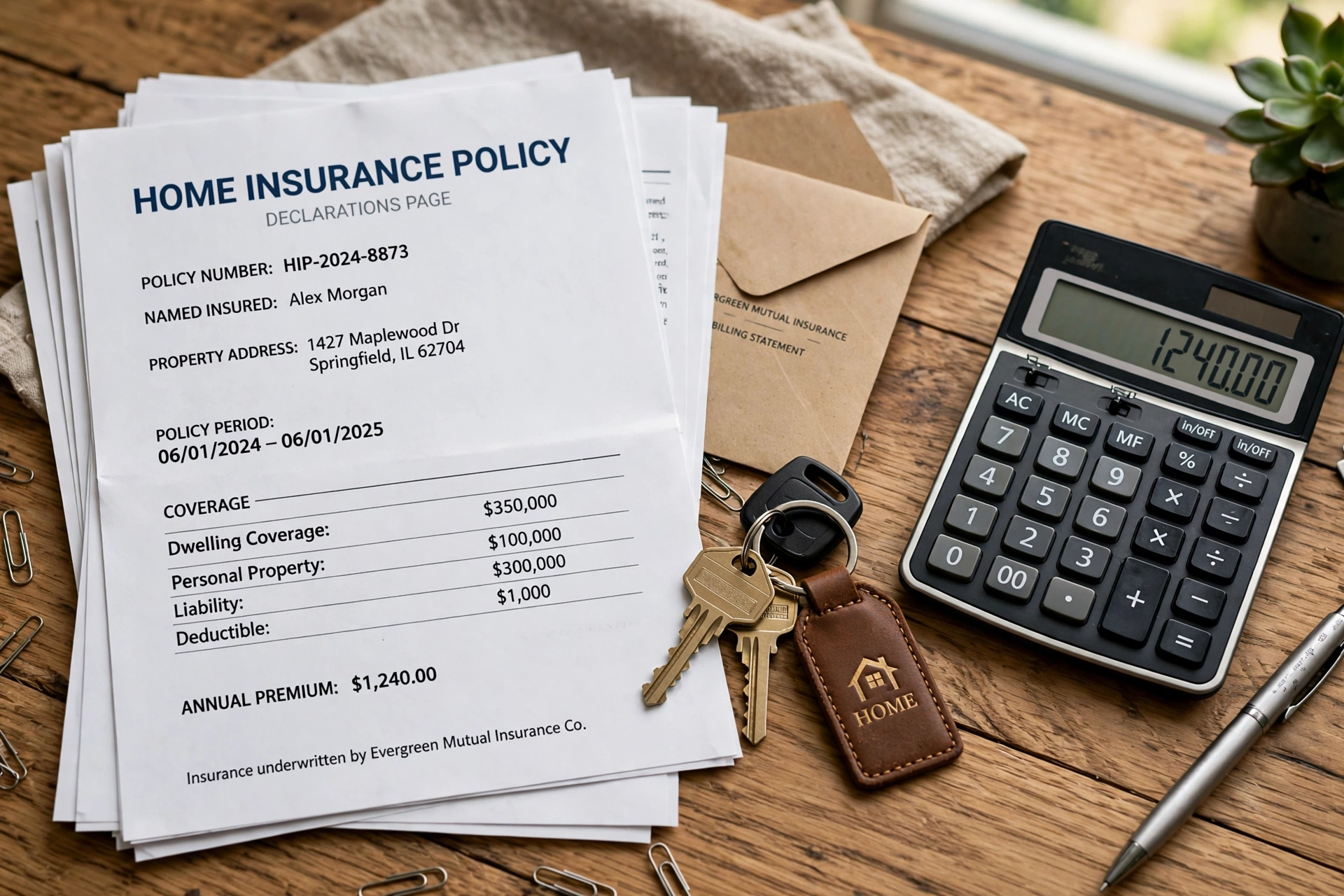
Home insurance comes in two halves. Buildings cover protects the structure — walls, roof, floors, fitted kitchens and bathrooms — against fire, storm, flood, subsidence and escape of water, and it is the half mortgage lenders insist on. Contents cover protects what would fall out if you turned the house upside down: furniture, electronics, clothes and valuables. Owner-occupiers usually need both. Leaseholders often find buildings cover arranged by the freeholder through the service charge, so they need contents only — check before paying twice. Renters never insure the building; contents cover, sometimes with liability protection, is their product. The crucial figure in buildings cover is the rebuild cost: what it would cost to demolish and rebuild your home from scratch. That is not its market value, which can be higher or lower depending on the area. Insure to market value and you may overpay for cover you can never claim; insure below rebuild cost and the insurer can reduce any claim proportionally. Use the free rebuild calculator from the Building Cost Information Service, or a surveyor for unusual homes, rather than guessing from the purchase price.
Why Premiums Keep Rising
Three forces push prices up. First, rebuild inflation: materials and skilled labour have become markedly more expensive, so every repair — a roof, a kitchen, a flooded floor — costs the insurer more than it did five years ago, and sums insured have risen to match. Second, weather and water: storm and flood claims arrive in clusters, and escape of water from burst or leaking pipes is one of the most frequent and expensive claim types in ordinary homes, often ruining floors and ceilings far beyond the original leak. Slow leaks are a particular menace, which is why spotting moisture early matters — our guide to damp and mould shows the early signs to catch before damage spreads. Third, subsidence: long dry summers shrink clay soils, claims spike a year or two later, and homes in affected areas carry higher premiums for years. Since 2022, rules have banned the loyalty penalty — insurers cannot charge renewing customers more than equivalent new customers — yet renewal quotes still jump, because the ban compares like with like at the same insurer: if claim costs and your risk profile rise, so does the price for everyone.
Legitimate Ways to Bring Your Premium Down
The single most effective habit is to compare quotes about three weeks before renewal, when prices tend to be keener than on renewal day itself, and never let a policy auto-renew unexamined. Get the rebuild figure right — correcting an inflated sum insured is a genuine saving, not a gamble. Consider a higher voluntary excess: raising it can cut the premium noticeably, but only choose an amount you could actually pay alongside the compulsory excess after a claim. Pay annually if you can, since monthly instalments usually add interest. Security pays: approved window and door locks (such as BS3621 deadlocks), a maintained burglar alarm and cameras can all reduce quotes, and they reduce your real risk too. Protect your no-claims discount by thinking twice before claiming for small losses you could cover yourself — a minor claim can cost more in future premiums than it pays out. Improving the home itself helps too: the insulation and heating upgrades in our guide to home energy grants lower the risk of frozen pipes and damp damage, two common claim causes. Finally, buy buildings and contents together from one insurer if the combined quote beats separate policies, which it often does.
Mistakes That Backfire, and Add-Ons Worth Judging
Some savings are traps. Under-insuring contents or the rebuild figure can leave a claim scaled down or refused. Declaring the wrong occupancy — saying a home is never empty when it regularly is, or failing to mention a lodger, paying guests or running a business with stock and visiting clients — can invalidate cover exactly when you need it. Answer flood and subsidence history questions with complete honesty; insurers share claims databases, and a non-disclosure discovered after a flood is the worst possible outcome. Then judge the add-ons on merit. Accidental damage is worth it for families with young children and expensive electronics, less so for careful minimalists. Home emergency cover duplicates some breakdown policies but suits anyone who would struggle to find a plumber at midnight in January. Legal expenses cover is cheap and occasionally invaluable in neighbour or employment disputes. Personal possessions cover matters if you regularly carry laptops, bikes or jewellery out of the home. Read what is included before paying for any of them twice.
Frequently Asked Questions
Should I insure my home for what I paid for it?
No. Buildings cover should reflect the rebuild cost — demolition plus rebuilding — which is usually different from the market value or purchase price. Use the Building Cost Information Service calculator to set the figure, and review it every few years as building costs change.
Why did my renewal rise if I have never claimed?
Your premium reflects overall claim costs, rebuild inflation, weather losses and your area’s risk, not only your own record. The loyalty-penalty ban stops existing customers being charged more than new ones for the same cover, but it does not freeze prices when underlying costs rise.
When is the cheapest time to buy home insurance?
Comparison research consistently shows quotes tend to be lower around three weeks before the renewal date than at the last minute. Set a reminder, compare several insurers and comparison sites, and switch before the old policy expires so there is no gap in cover.
Does a higher excess always save money?
Usually it lowers the premium, but the saving must be weighed against paying both the compulsory and voluntary excess if you claim. Choose the highest excess you could comfortably afford on a bad day — not the highest offered — and check the total, since the two are added together.