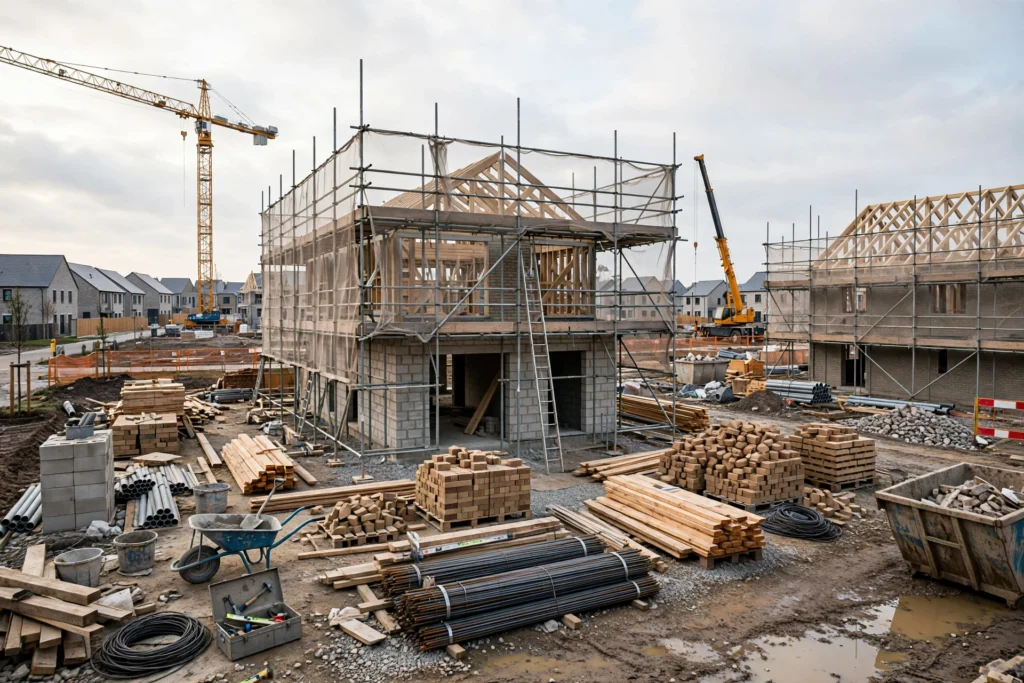
Planning reform is back in the headlines, with promises of faster decisions, more homes, and lower prices. For anyone buying, selling, or living near a proposed development, the important question is practical: what actually changes, and what stays the same? Planning reform changes how permission is granted. It does not, by itself, lay a single brick — and the gap between permission and a finished home is where most of the story lives.
What Planning Reform Usually Means
In practice, reform tends to pull a few levers. First, it speeds up decisions: statutory deadlines, fewer rounds of consultation on small schemes, and more decisions delegated to officers rather than committees. Second, it changes what gets permission: more homes on brownfield land, higher densities near stations, and rules that make it harder for councils to refuse schemes that meet their own local plan. Third, it targets bottlenecks: nutrient rules, biodiversity requirements, and infrastructure charges that can stall a site for years. None of this removes planning control — neighbours can still object, and design and environmental rules still apply — but it shifts the balance toward building, especially in areas where housing need is highest.
What It Means for Buyers
More homes built means more choice, and in the scarcest markets that is genuinely good news for buyers. But the effect on prices is slow and local. A reform announced today affects homes completed in three to five years, not next month’s asking prices, and it helps most in places where permission was the binding constraint — commuter towns and cities with strong demand. In areas where demand is weak, more permissions change little, because builders only build what they can sell. Buyers should also watch what kind of homes get built: faster permissions for flats near stations help first-time buyers, while executive estates on greenfield sites help a different market. If you are buying new, check the developer’s record on quality and snagging, because speed in planning does not guarantee speed or care in construction. The rise of timber-frame homes is part of the same story: faster build methods meeting faster permissions.
What It Means for Sellers and Neighbours
For sellers, more supply in your area is a double-edged sword: it can bring buyers and amenities, but it also means your home competes with new stock, which is often better insulated and cheaper to run. Pricing against new-build competition becomes part of selling in growth areas. For neighbours, reform usually means more development nearby, sooner. The legitimate concerns — roads, schools, GP surgeries, drainage — are addressed through infrastructure contributions, but those contributions only work if councils collect and spend them well. If a scheme is proposed near you, engage early: objections grounded in specific, evidenced impacts (a flooded road, a dangerous junction) carry far more weight than general opposition, and community input still shapes layout, landscaping and affordable housing quotas.
What Reform Does Not Do
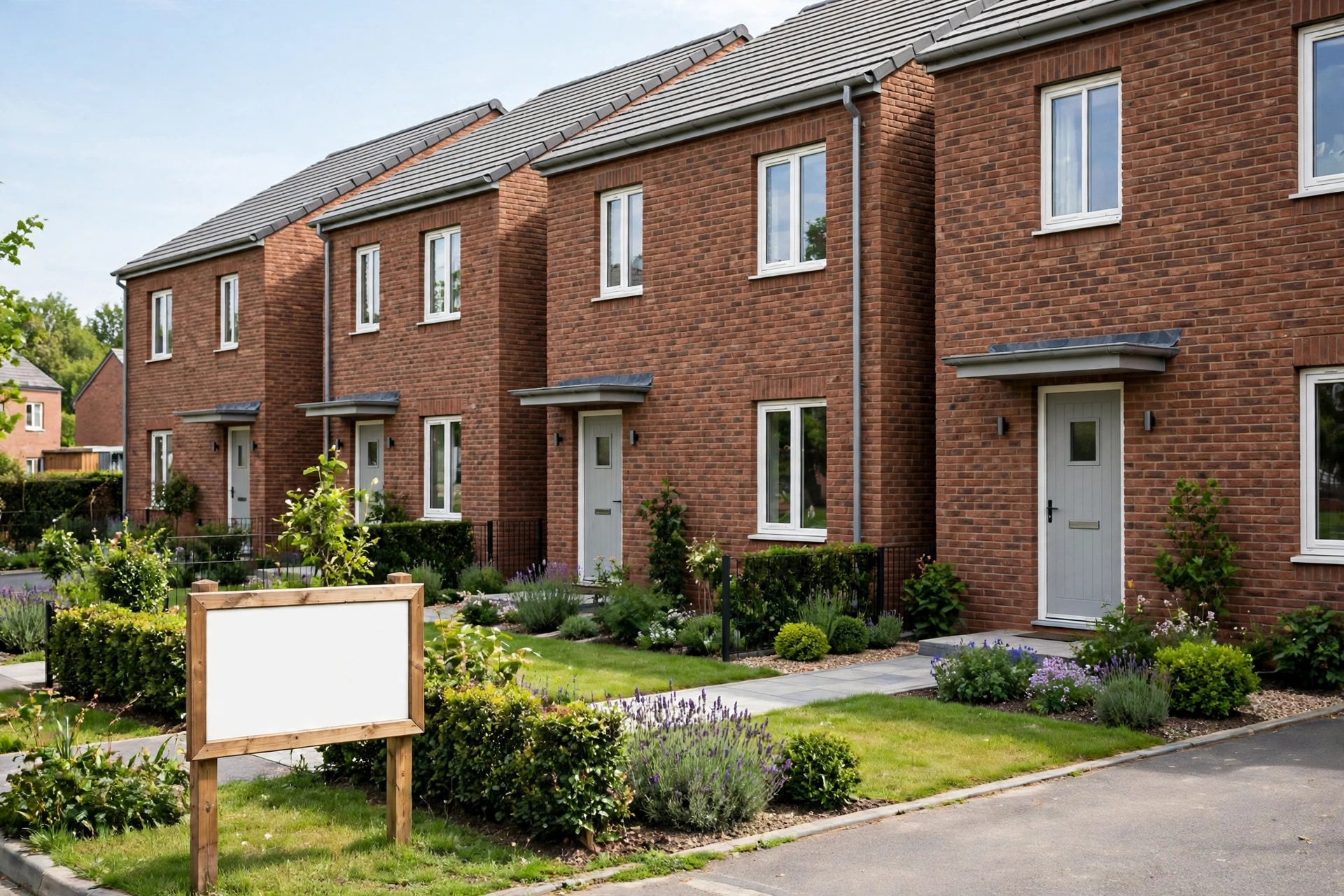
Reform does not fix labour shortages, material costs, or the finance that decides whether a site is viable. When interest rates are high or sales are slow, builders pause even with permission in hand — land banks full of permissions are a standing reminder that permission is not the same as construction. Reform also does not override local politics entirely: councils still write local plans, and national targets still meet local resistance. And it does not, on its own, solve affordability: homes must be the right type, in the right places, at prices local incomes can reach. Policies on second homes show the other side of the coin — demand-side measures matter as much as supply. The honest verdict: planning reform helps, slowly, and most where the shortage is worst — but it is one lever among many, not a fix by itself.
Frequently Asked Questions
Will planning reform cut house prices?
Over years, more supply should ease price growth in high-demand areas. A sudden price fall is unlikely: building takes years, and demand, rates and incomes matter more in the short term.
Can neighbours still object to new developments?
Yes. Consultation still happens and material objections still count. Reform changes timelines and presumptions, but it does not remove the right to be heard.
Does reform mean building on green belt?
Not automatically. Most reforms focus on brownfield and “grey belt” land — poor-quality green belt — and keep strong protections for genuine green belt, though the definitions are contested.
How long before reform affects my area?
Expect two to five years before permissions granted under new rules become finished homes. Local plan reviews, which set where building goes, take longer still.