Of all the forces that have reshaped the housing market in recent years, one dwarfs the rest: working from home. What started as an emergency measure became, for millions, a permanent pattern — and housing demand bent around it. Spare rooms were repriced, gardens revalued, commutes recalculated. Years on, the shift is not reversing; it has become the market’s new normal.
The Spare Room Became the Office
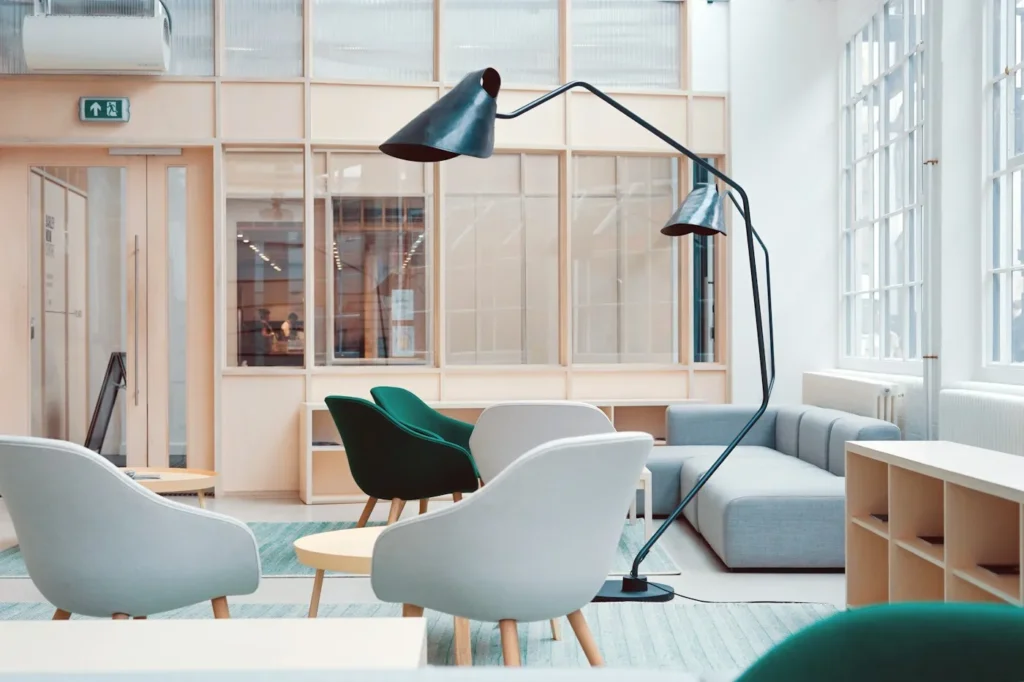
The clearest effect is measurable in wish lists: a dedicated place to work now ranks alongside kitchens and bathrooms in buyer priorities. Box rooms that were once a discount feature became selling points; listings learned to photograph the desk corner. Homes that could offer a study, a converted loft or even a quiet landing gained an edge that layout alone used to decide — one more reason the layouts in our open-plan living analysis increasingly include a work zone that can be closed off.
The Garden Office Boom
For those with gardens, the answer grew at the bottom of them. Garden offices — insulated pods and converted outbuildings with power and broadband — spread from a niche product to a standard feature in property listings, where agents now call them out in the first paragraph. Done well, they solve the open-plan problem (somewhere with a door) without a house move. They also raised a practical point for buyers and sellers alike: a home worker is a home heated and lit all day, which is why our energy saving tips now feature in so many moving budgets.

Location Maths Changed Permanently
Hybrid working rewired the commute calculation. A journey tolerated five days a week became unreasonable at two — while a longer journey done twice weekly became acceptable — stretching commuter belts and lifting in-between towns, exactly the pattern described in our city vs countryside analysis. Broadband speed joined the list of deal-breakers at viewings, tested like water pressure. Sellers in well-connected areas gained; not-spots paid a visible discount.
What Employers Do Next — and Why Housing Cares
The remaining question is how much office attendance employers ultimately demand. Every shift in that debate nudges housing demand: more office days strengthen city markets, more remote days strengthen everywhere else. But even the most office-forward employers are not restoring the world of 2019 — the flexibility genie is out. Housing has adapted structurally: new homes are marketed with workspaces as standard, and the new homes now being built assume a resident who works in them several days a week.

The Bottom Line
Working from home did not just change where people work; it changed what a home is for. Houses are now offices, and the market prices them that way — in spare rooms, garden buildings, broadband speeds and postcodes an hour further out. Whether you are buying, selling or simply staying put, the home that works for your working life is the one that holds its value. Keep up with the trends in our news section.